This article contains advertising.
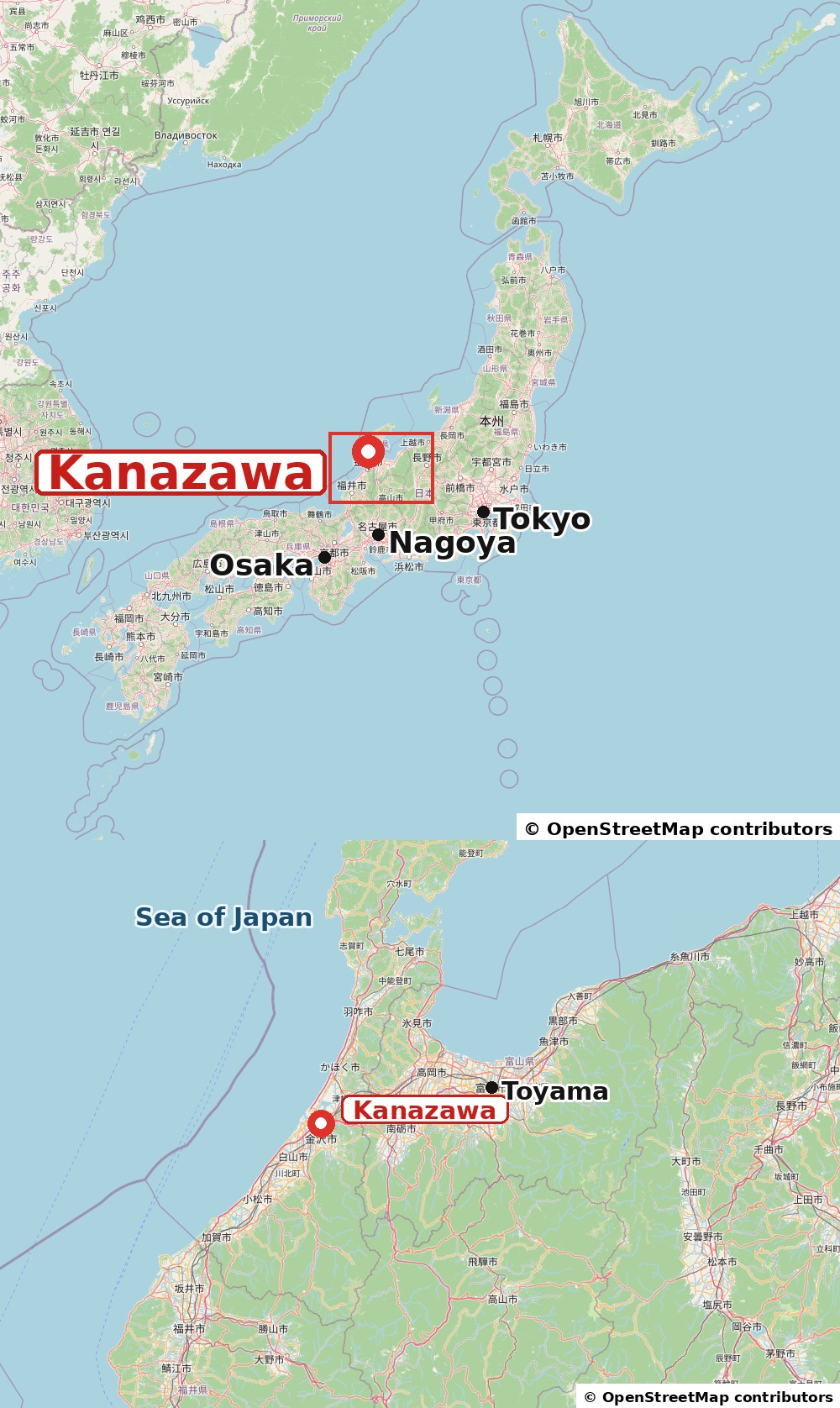
Kanazawa is a castle town where the atmosphere of the Edo period survives more strongly than almost anywhere else in Japan. Within walking distance you will find Kenrokuen, one of Japan’s three great gardens; Kanazawa Castle, seat of the Maeda lords; the samurai lanes of Nagamachi; and the geisha district of Higashi Chaya. The longer I walked, the more I felt the depth of Kaga culture — the domain was known as “Kaga Hyakumangoku,” the million-koku domain, the richest in the country outside the shogun’s own lands.
This is my record of walking Kanazawa from winter into early spring.
- Staying connected in Japan
- 1. Kenrokuen — One of Japan’s Three Great Gardens
- 2. Kanazawa Castle — Home of the Lords of Kaga
- 3. Nagamachi — The Samurai District and the Nomura House
- 4. Gyokusen-en — A Garden Older than Kenrokuen
- 5. Oyama Shrine — A Gate with Stained Glass
- 6. Higashi Chaya — The Geisha District
- 7. A City of Gold Leaf
- 8. At the End of the Walk
Staying connected in Japan

An eSIM is the easiest way to have mobile data from the moment you land in Japan — no pocket Wi-Fi to pick up, and no SIM card to swap. I recommend Yesim, a Japan eSIM with 5G (from US$3.85 a day).
Watch the video version of this walk here:
1. Kenrokuen — One of Japan’s Three Great Gardens
Kenrokuen is counted among Japan’s three great gardens, alongside Kairakuen in Mito and Korakuen in Okayama. Its name — Kenroku, “combining six” — comes from a Chinese classic listing the six qualities of a perfect garden: spaciousness, seclusion, human artistry, antiquity, water, and sweeping views. Kenrokuen was said to possess them all.
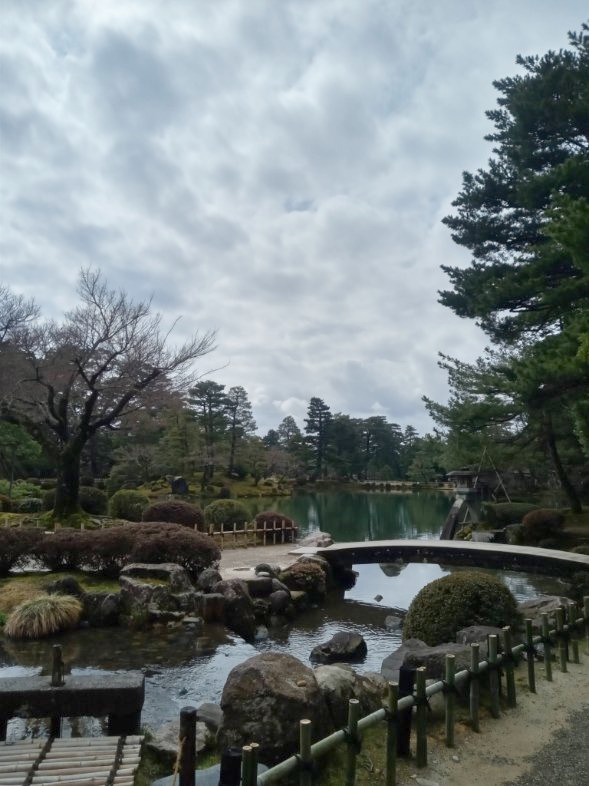
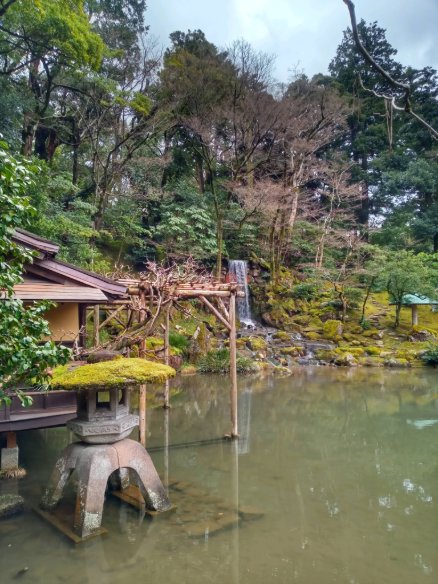
The heart of the garden is Kasumigaike Pond. On its shore stands the Kotoji Lantern, the symbol of Kanazawa. Its two legs are of different lengths, and its shape is said to resemble the bridge of a koto harp — the source of its name.
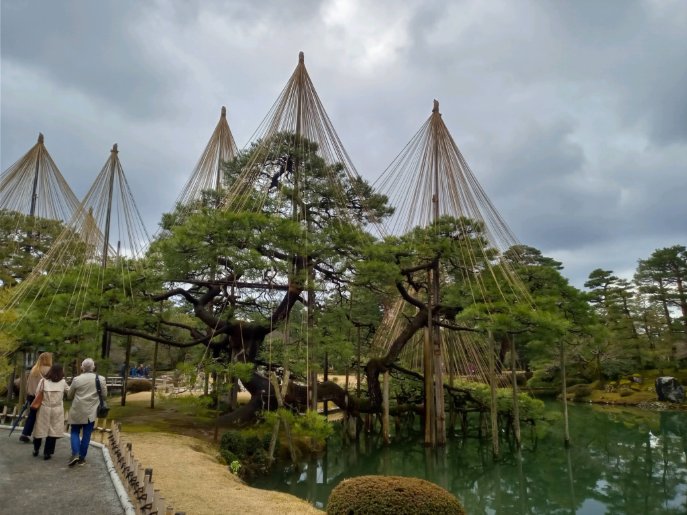
Winter in Kenrokuen means yukitsuri: ropes raised in elegant cones over the pines, supporting the branches so that the weight of snow cannot break them. It is the defining sight of a Kanazawa winter. The yukitsuri on the Karasaki Pine — grown from seed brought from Karasaki, on the shore of Lake Biwa — was especially magnificent.
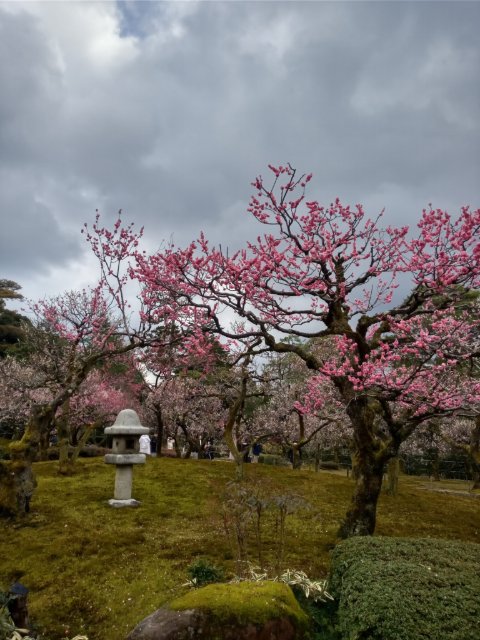
In early spring, the plum grove comes into bloom. Some 200 plum trees are planted here, carrying a first touch of spring into the winter garden.
2. Kanazawa Castle — Home of the Lords of Kaga
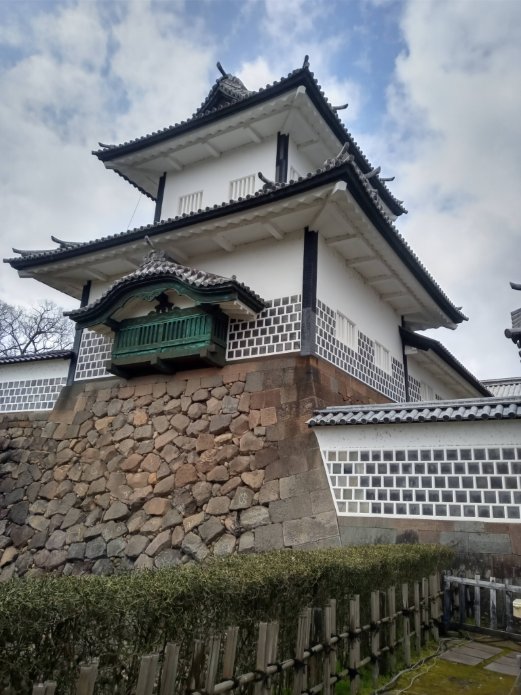
Next to the garden is Kanazawa Castle Park, the site of the Maeda lords’ castle. Across the broad Sannomaru plaza, the restored Hishi Yagura turret and Gojukken Nagaya storehouse gleam white.
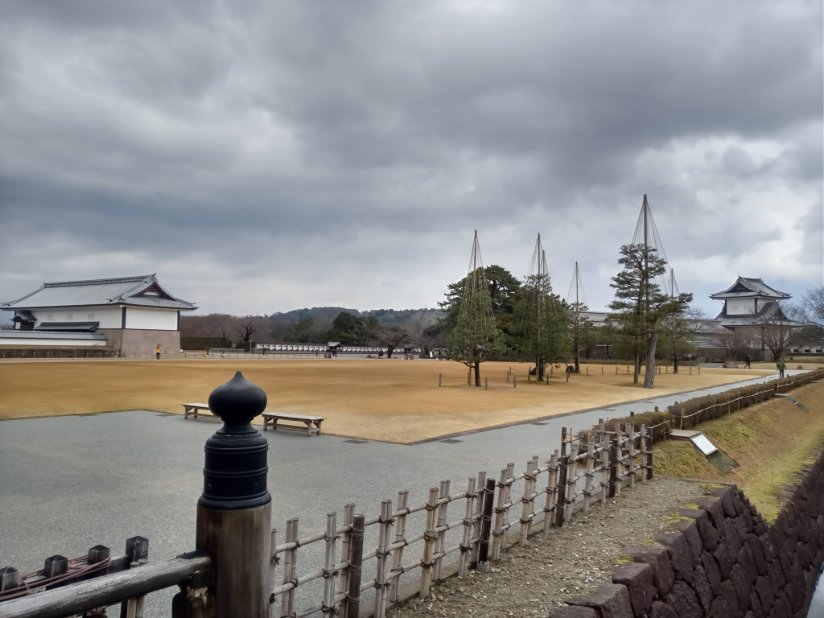
One of the castle’s great pleasures is its stone walls. The way the stones are stacked differs from era to era and from place to place — so much so that the castle is called a “museum of stone walls.” Comparing them as you walk is half the fun.
3. Nagamachi — The Samurai District and the Nomura House
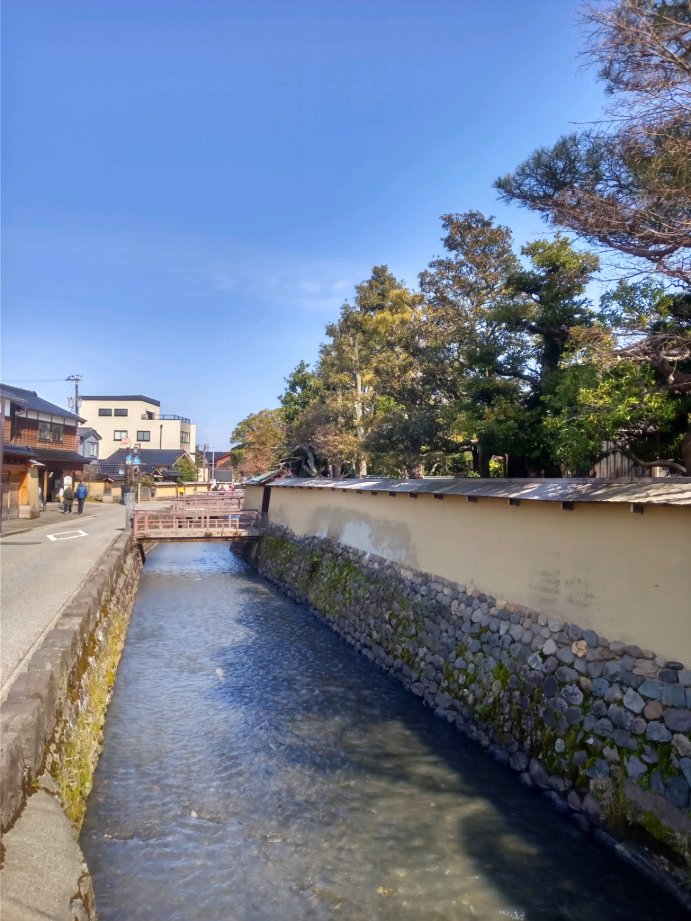
West of the castle lies Nagamachi, where the houses of Kaga’s samurai still stand. Lanes of ochre earthen walls and stone paving run through the district, and the Onosho Canal flows quietly alongside. It is the oldest canal in Kanazawa, and it still runs through the life of the city today.
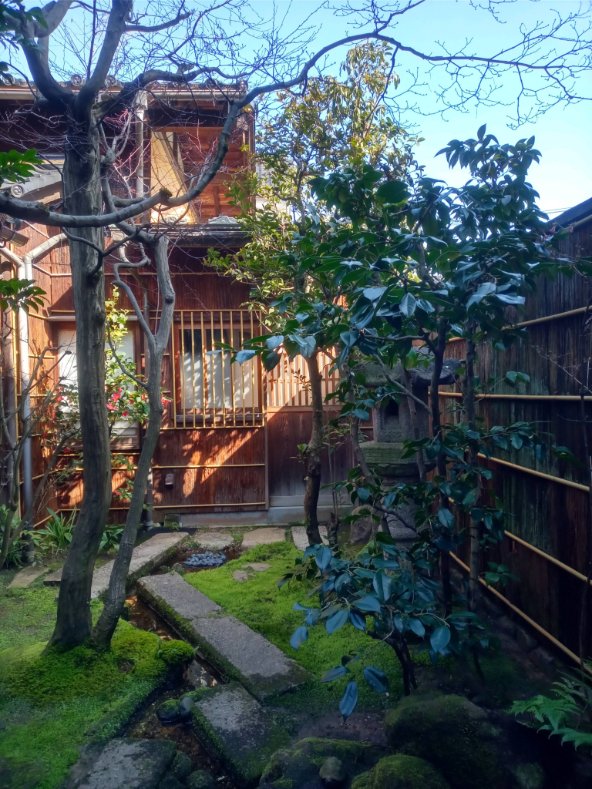
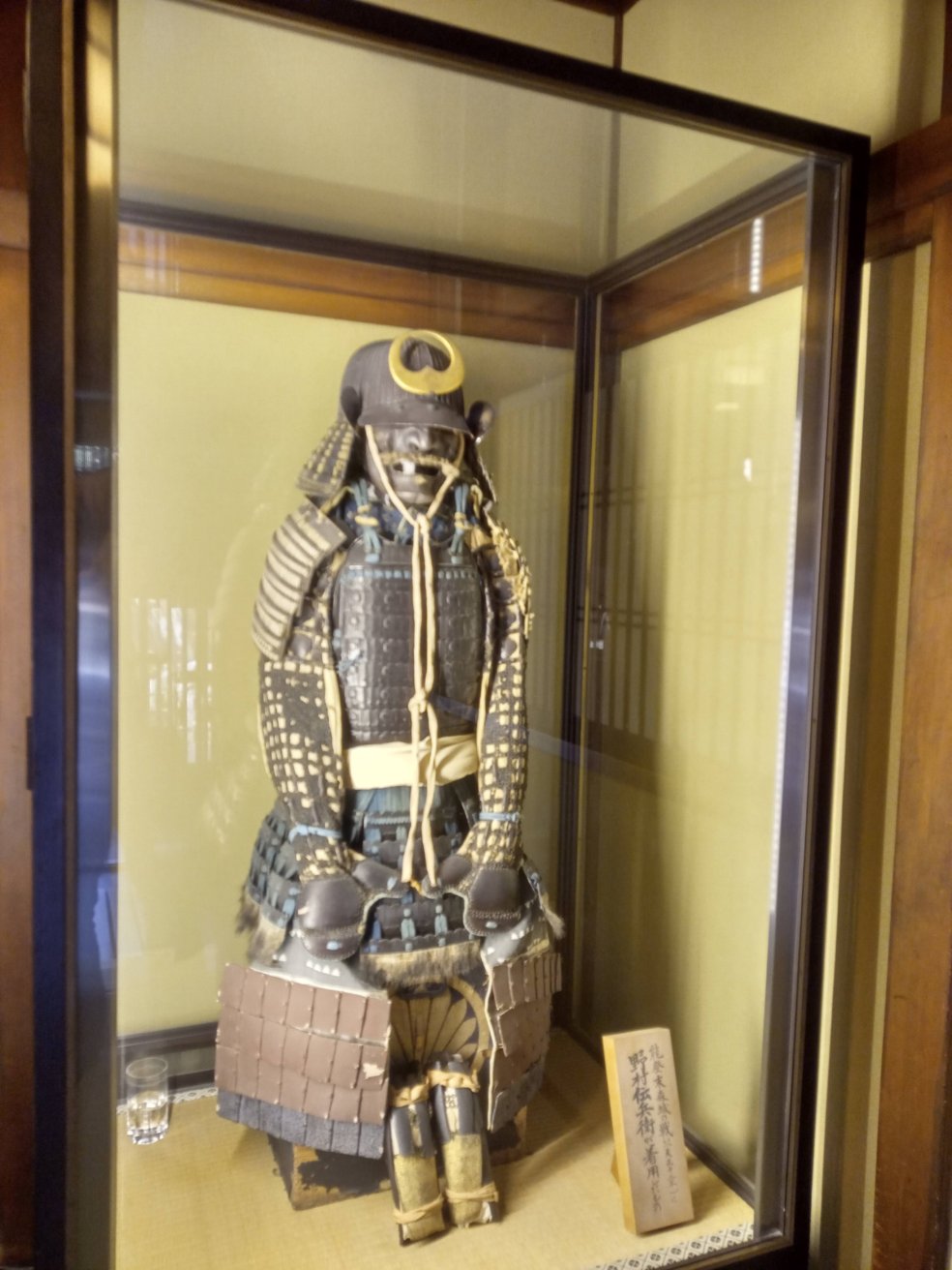
The Nomura house was the residence of a high-ranking samurai family, and it still conveys the life of those days. The suit of armour in its glass case has been handed down in this family for generations.
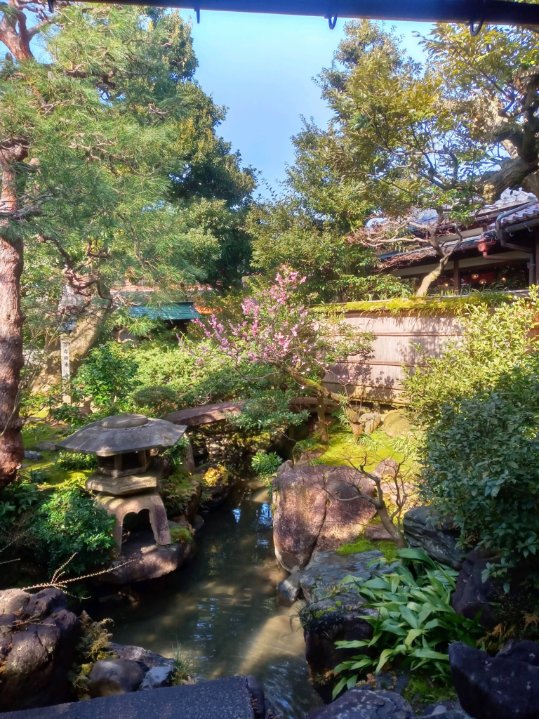
And then there is the Nomura garden. Into a small plot are gathered a pond, a waterfall and stone lanterns — a garden in miniature, ranked among the finest in Japan. Sitting on the veranda and gazing out, you feel time slow down.
4. Gyokusen-en — A Garden Older than Kenrokuen
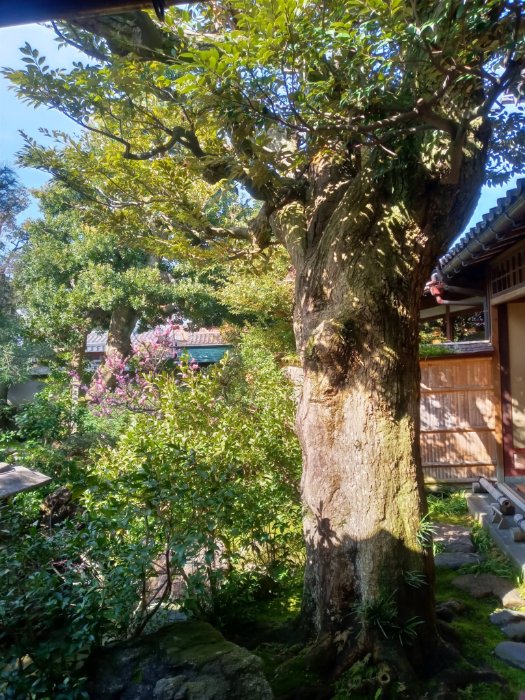
Near the castle, Gyokusen-en is the garden of the Wakita family, chief retainers of the Kaga domain. It is said to have been made some fifty years before Kenrokuen. Moss-covered and full of rustic character, it is a quiet garden — a striking contrast to Kenrokuen’s grandeur.
5. Oyama Shrine — A Gate with Stained Glass
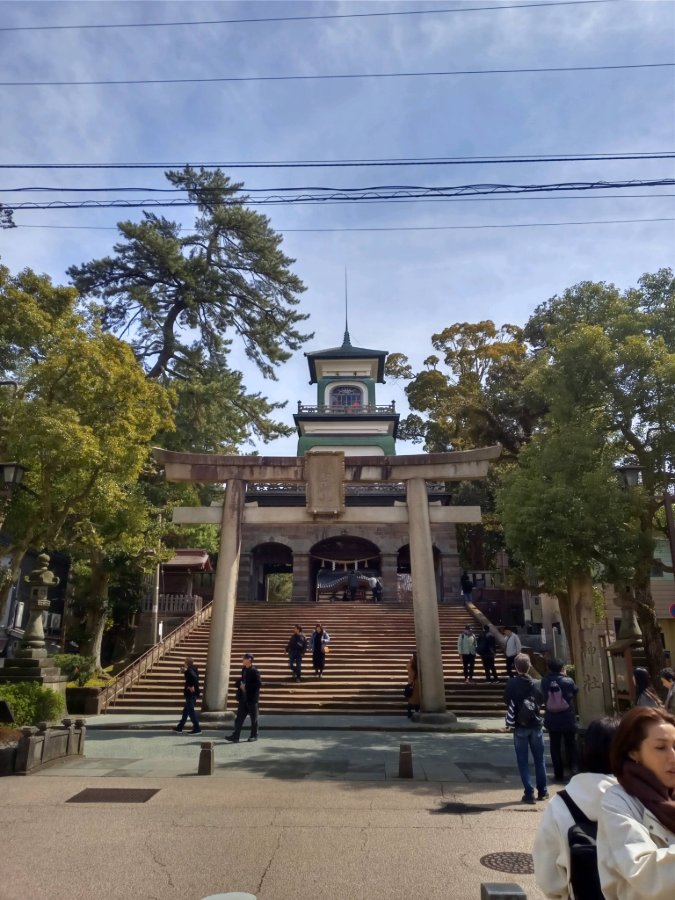
Oyama Shrine enshrines Maeda Toshiie, the founder of the Kaga domain. Its most striking feature is the Shinmon gate: built in 1875, it combines Japanese, Chinese and Western styles, and stained glass is set into its top floor. In its day, the gate is said to have served as a lighthouse, its light guiding ships at sea.
6. Higashi Chaya — The Geisha District
Cross the Asano River and you reach the Higashi Chaya District. Laid out in 1820, it is the largest of Kanazawa’s three teahouse districts, and its streets of lattice-windowed townhouses are protected as a national Preservation District for Groups of Traditional Buildings.
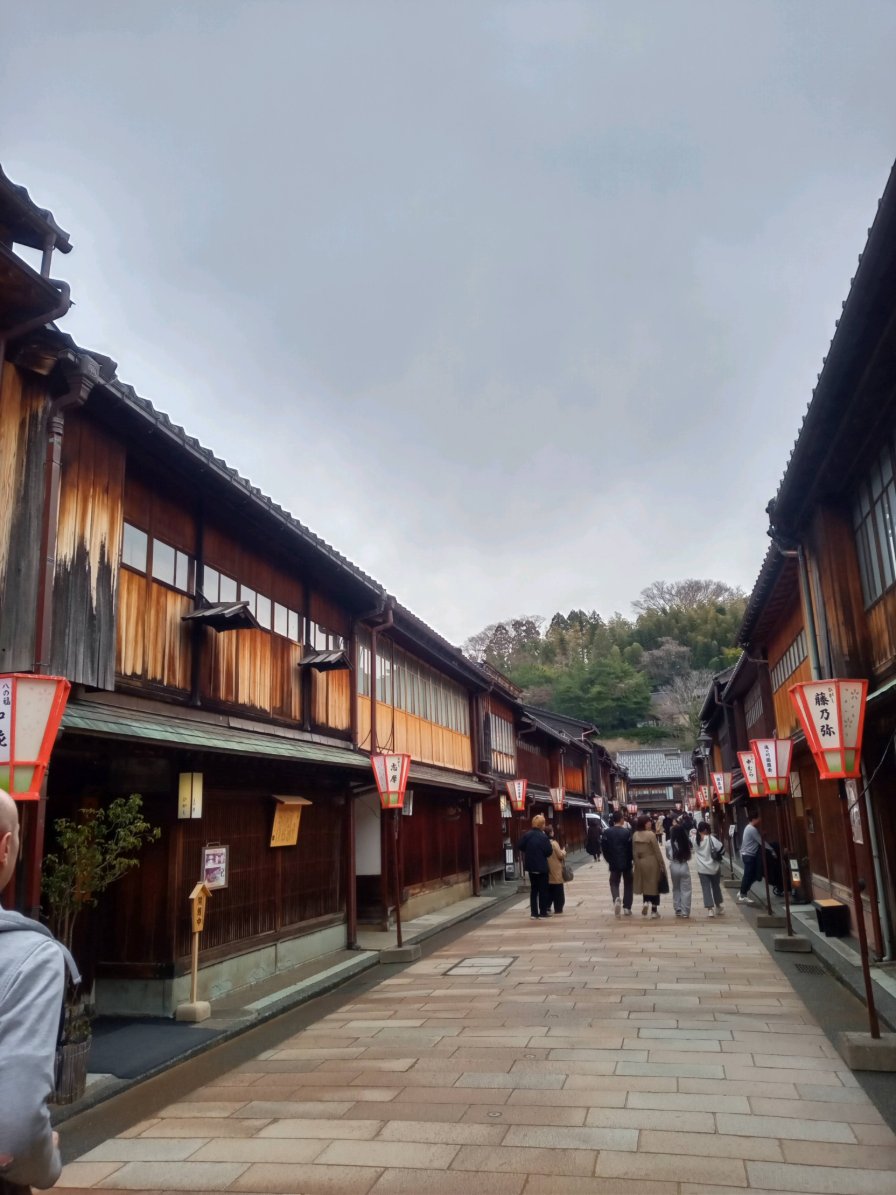
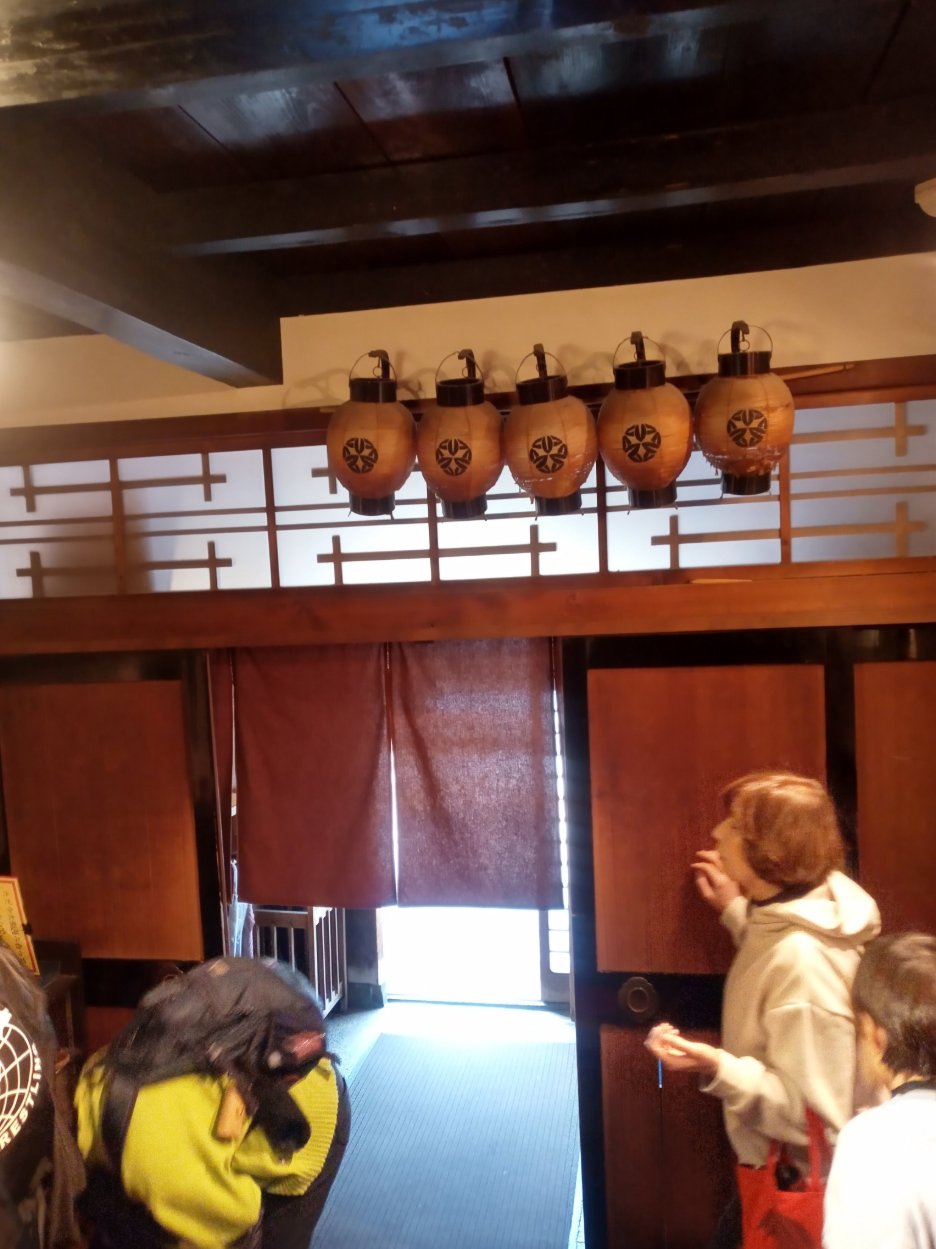
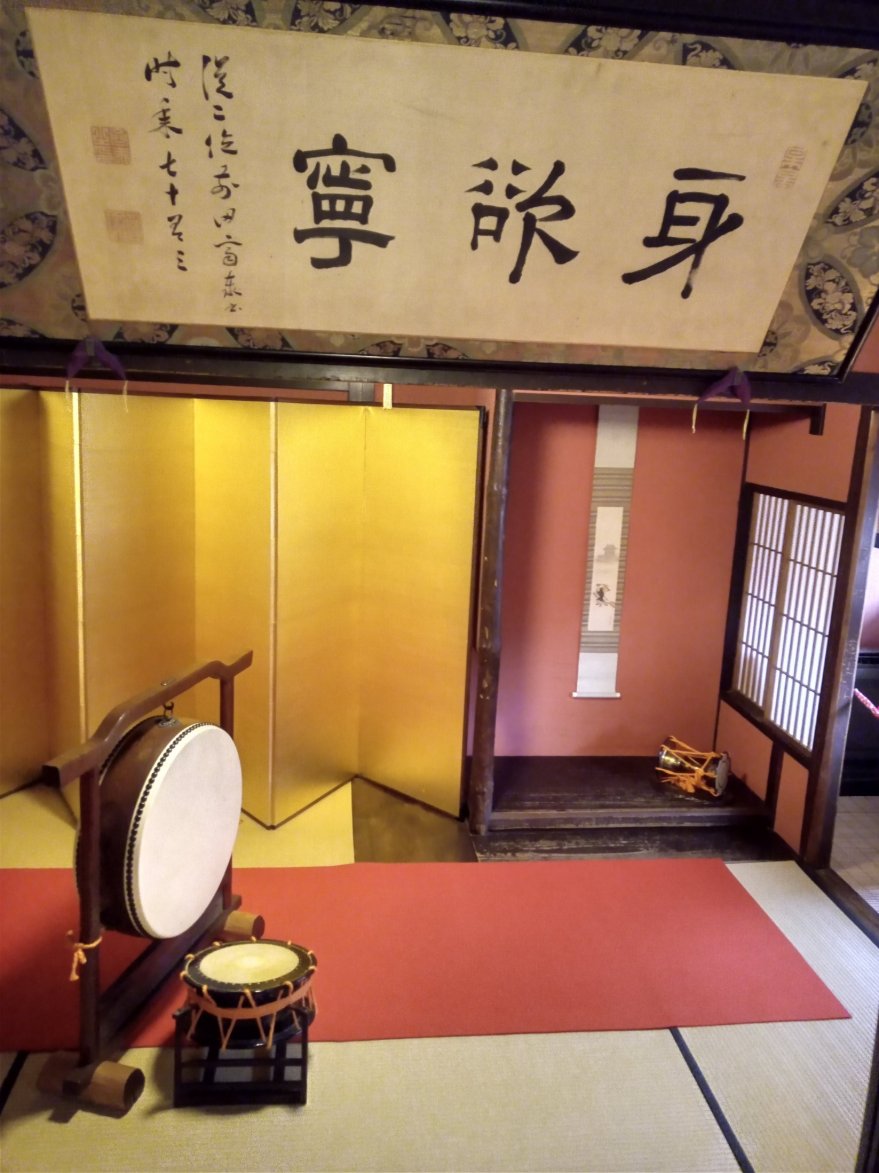
Some teahouses are open to visitors. Stepping into the tatami rooms, I found myself imagining the sound of a shamisen drifting from the next room — a glimpse of the refined world of the Edo-period pleasure quarters.
7. A City of Gold Leaf
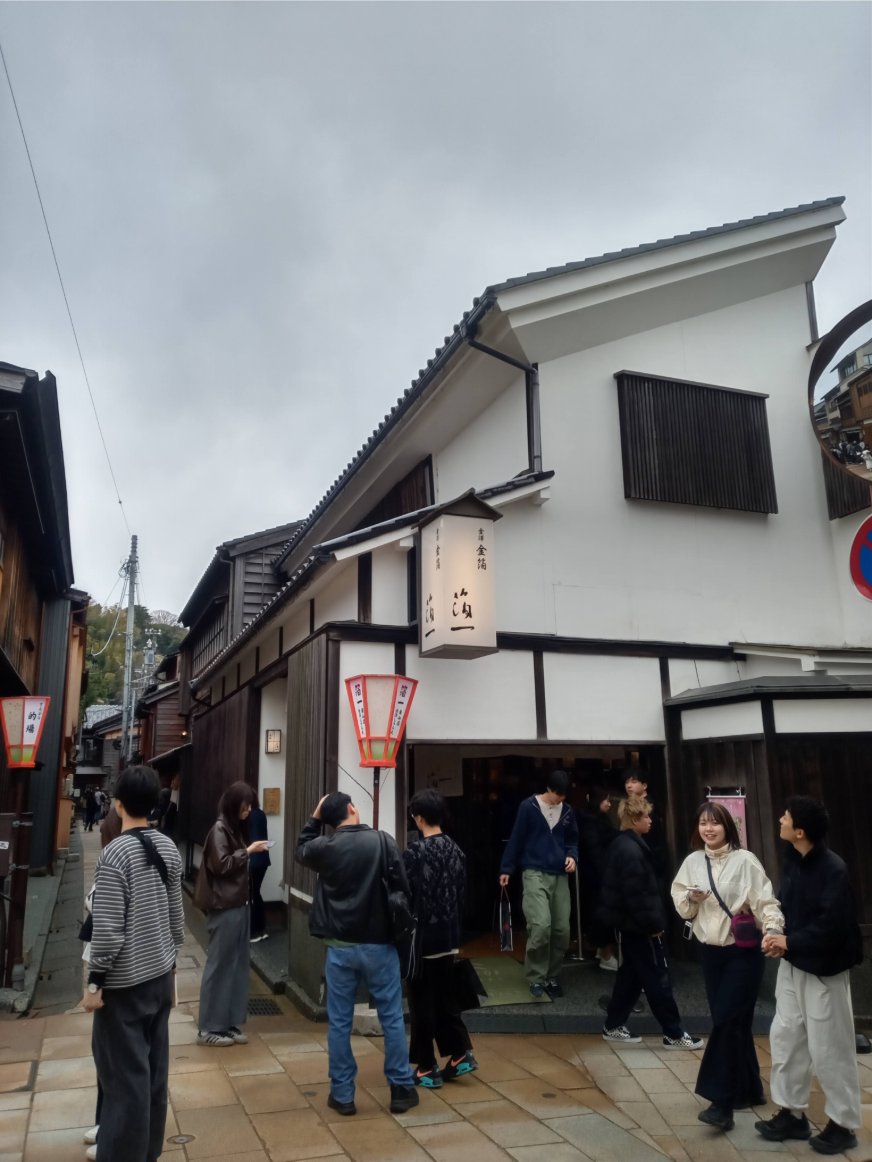
Kanazawa produces more than 99 percent of Japan’s gold leaf. At Hakuichi, a gold-leaf specialist in the Higashi Chaya District, the shop is so popular that a queue forms before it even opens.
The gold folding screens displayed in teahouse parlours are another sight unique to Kanazawa. From crafts to cuisine, gold leaf is not just a product here — it is part of the city’s culture itself.
8. At the End of the Walk
Gardens and a castle, samurai houses and teahouse streets. Kanazawa packs the beauty of Japan into distances you can walk. Next time, I would like to come back in the season of cherry blossoms — or of autumn leaves.
Getting there
- Kanazawa is about two and a half hours from Tokyo by Hokuriku Shinkansen
- From Kanazawa Station, the Kanazawa Loop Bus is the easiest way to reach the main sights
- Kenrokuen and Kanazawa Castle Park stand side by side — see them together
- Nagamachi and the Nomura house are within walking distance of Kenrokuen; the Higashi Chaya District is about 10 minutes away by bus
On my YouTube channel ORIBE, I post walking videos from all over Japan. Please take a look if you like. → https://www.youtube.com/@OribeNippon


コメント