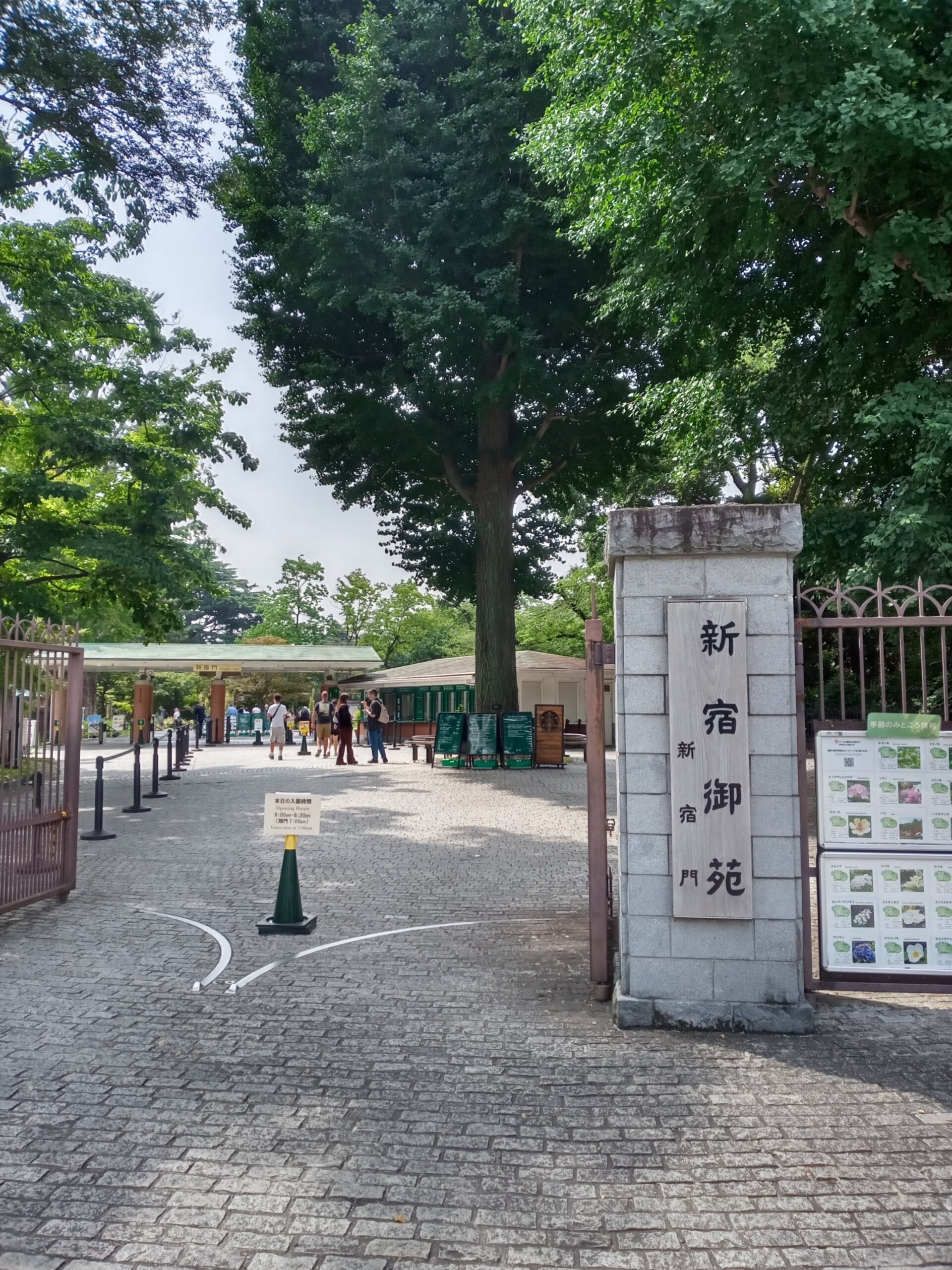
In the middle of Tokyo, a short walk from Shinjuku Station — one of the busiest railway stations in the world — the city suddenly falls silent. Behind the gates of Shinjuku Gyoen stretch 58.3 hectares of lawns, ponds and old trees: a Japanese garden, an English landscape garden and a French formal garden, all sharing one ground. Few great city parks anywhere hold three garden traditions at once, and fewer still keep them this quiet.
I visited in June 2026, when the fresh green was at its deepest and the azaleas were blooming in soft, rounded mounds across the lawns. This article follows that walk — from the Shinjuku Gate, through the great lawn and the avenues of Himalayan cedars, to the still pond of the Japanese garden, where the NTT Docomo Tower rises beyond the trees.
This article contains advertising.
Staying connected in Japan

An eSIM is the easiest way to have mobile data from the moment you land in Japan — no pocket Wi-Fi to pick up, and no SIM card to swap. I recommend Yesim, a Japan eSIM with 5G (from US$3.85 a day).
From a daimyo’s residence to a garden for everyone
The ground was not always a park. In the Edo period it was the Tokyo residence of the Naito clan, daimyo lords of Tsuruga, granted the land in the late sixteenth century. After the Meiji Restoration the estate passed to the Imperial Household, and in 1906 the gardens were completed as an Imperial garden — a place for the Imperial family to receive guests and walk in private.
War changed that. Much of the garden was destroyed in the air raids of 1945, but it was rebuilt, and in 1949 Shinjuku Gyoen opened to the public as a national garden. The private retreat of lords and emperors became, and remains, a garden for everyone — for the price of a modest entrance fee, right in the centre of the largest city on earth.
Three gardens in one
What makes Shinjuku Gyoen unlike any other park in Tokyo is that three distinct garden styles share its ground, flowing into one another without fences.
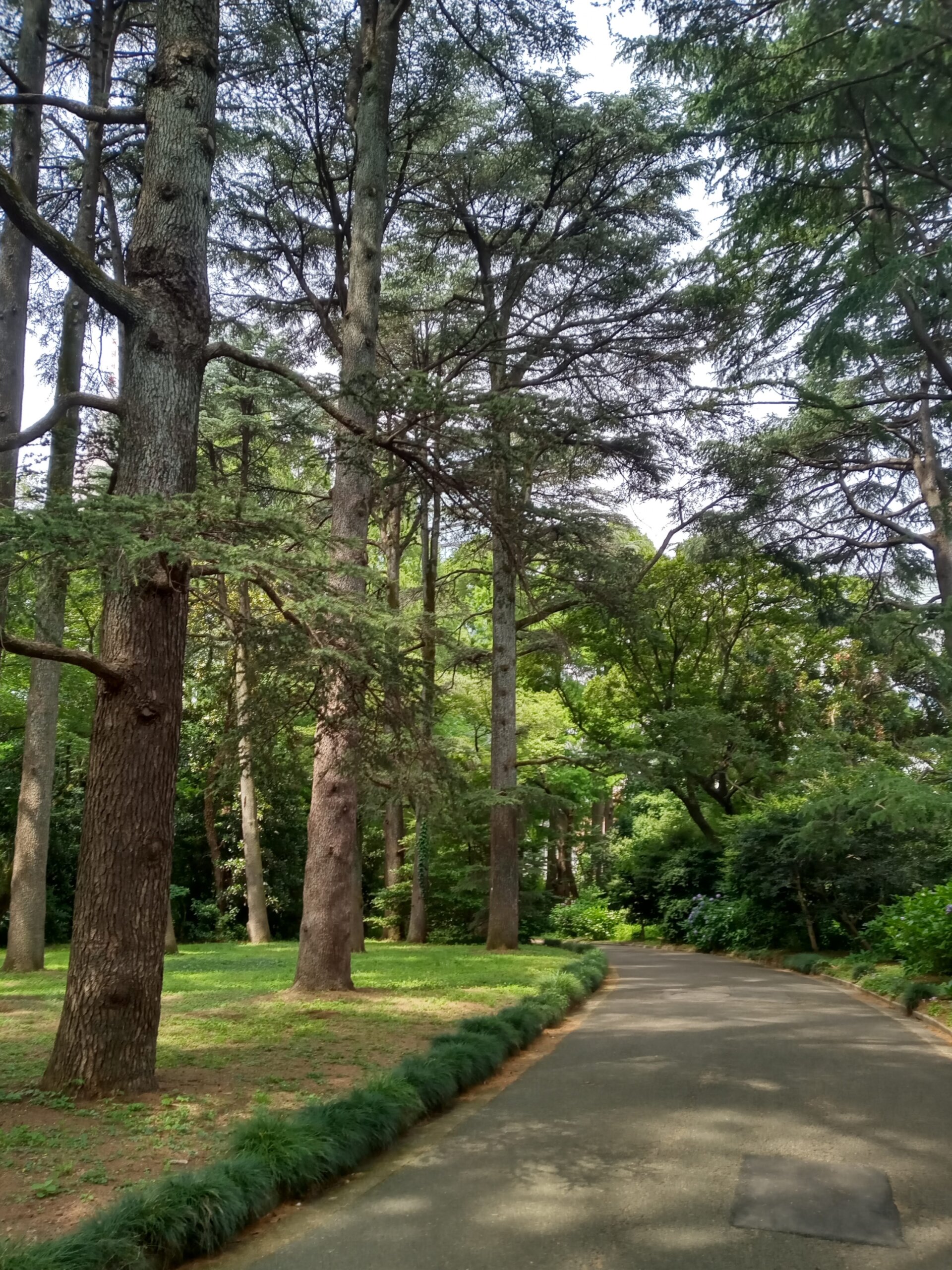
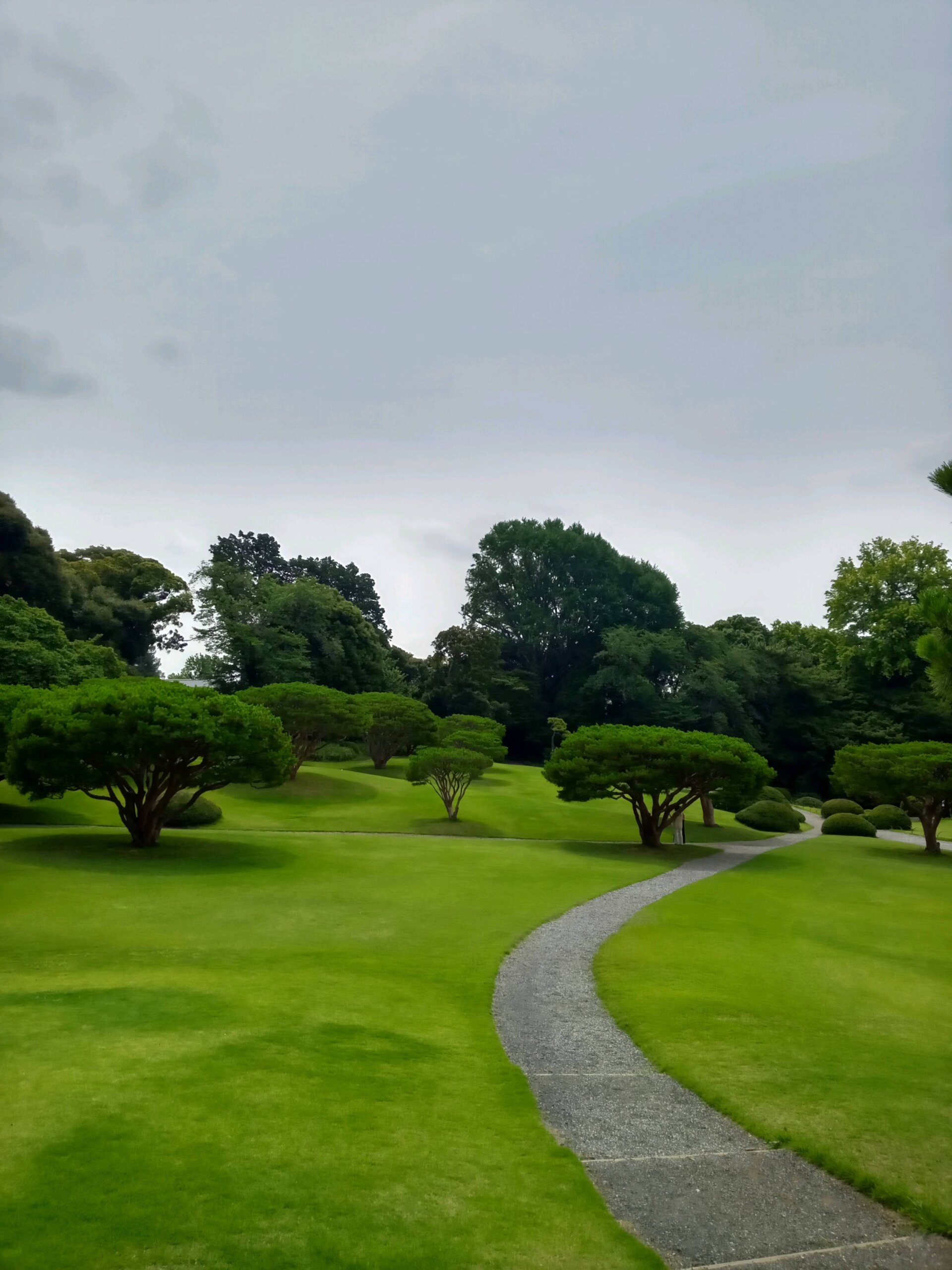
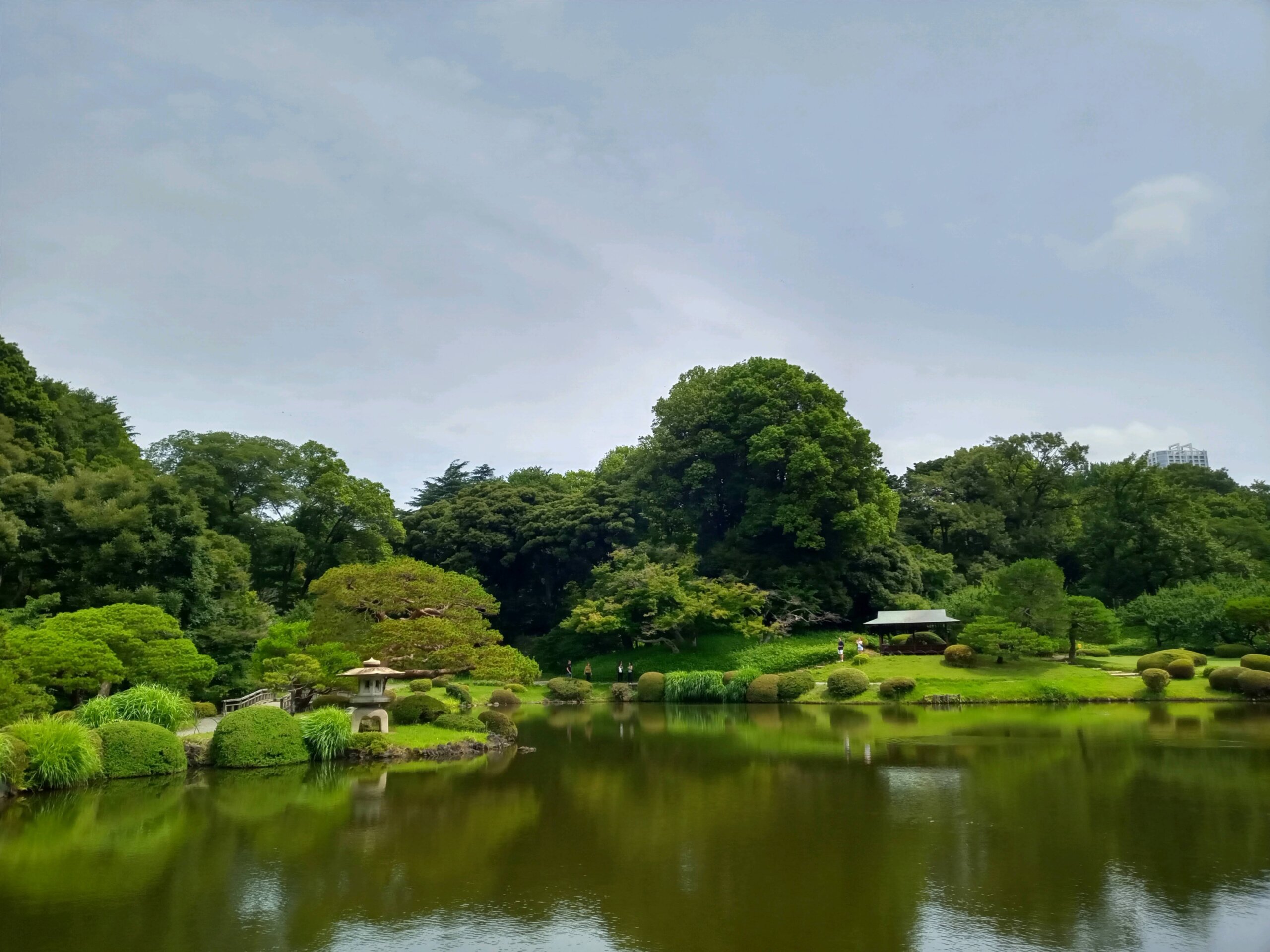
The Japanese garden is the oldest in spirit: ponds, sculpted pines, stone lanterns and a wooden bridge, arranged so that every turn of the path frames a new view. The English landscape garden is its opposite — broad, rolling lawns under spreading trees, made for picnics and slow afternoons. The French formal garden brings order: straight avenues and symmetrical plantings in the European style. To walk the park in one visit is to walk through three centuries of garden design, and three countries, in a single morning.
Around ten thousand trees grow here — Himalayan cedars, tulip trees, plane trees, and cherries by the thousand, which make the garden one of Tokyo’s most loved cherry-blossom spots in spring. In June, the cherries rest, and the green takes over.
The Japanese garden and the Docomo Tower
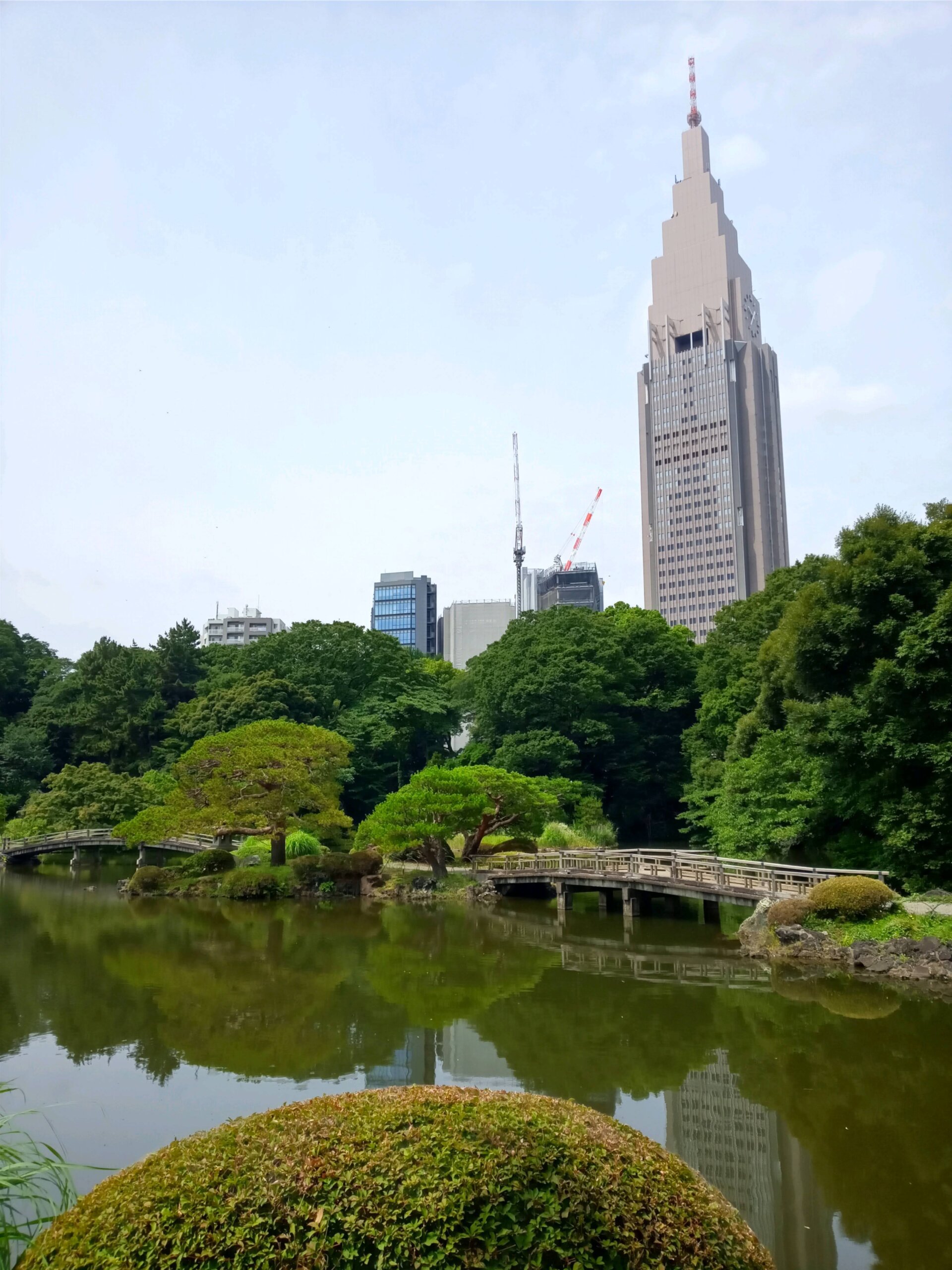
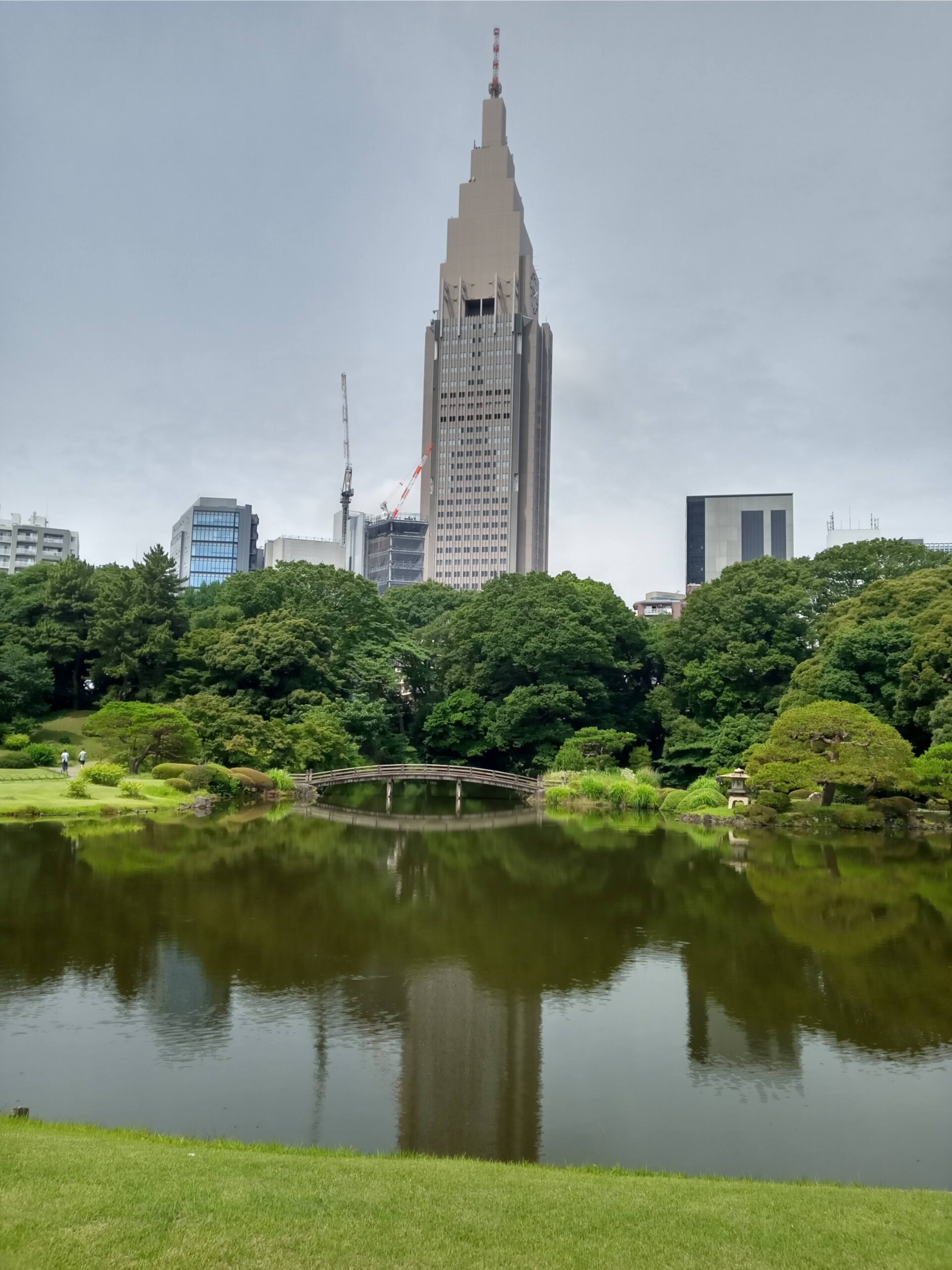
The view everyone remembers is from the Japanese garden’s pond. Across still water — a low wooden bridge, pines trained into clouds, a stone lantern at the shore — the NTT Docomo Tower rises above the treetops: 240 metres of twenty-first-century Tokyo, reflected in a pond garden that a daimyo might have recognised. Old Japan and the new city share a single frame, and neither seems to mind.
It is worth slowing down here. Sit on a bench, watch the surface of the pond, and let the skyline wait. The contrast is the point of the place: Shinjuku Gyoen exists because each era of Tokyo chose to keep it, and the tower beyond the pines is simply the latest layer.
The great lawn and the forest paths
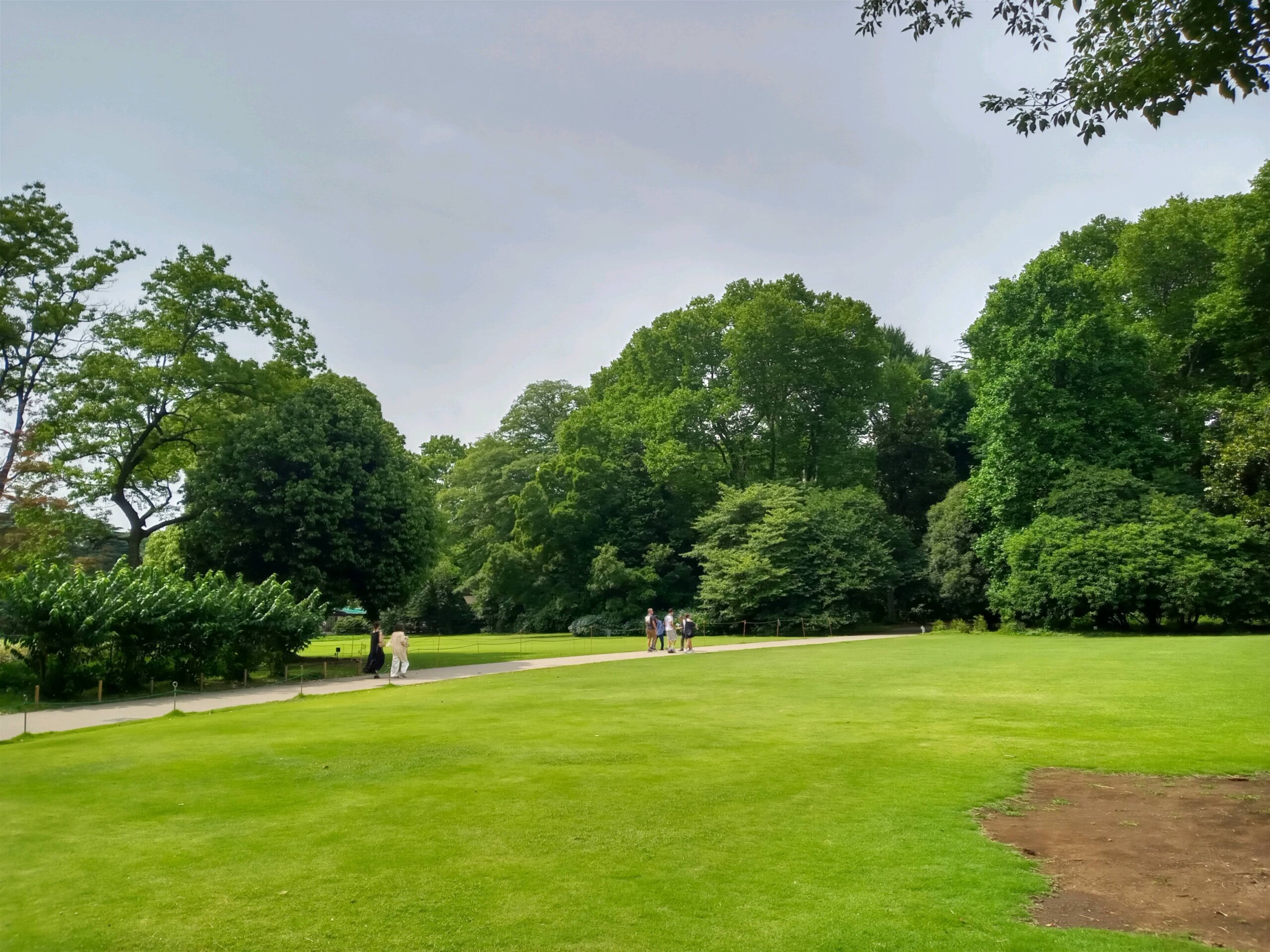
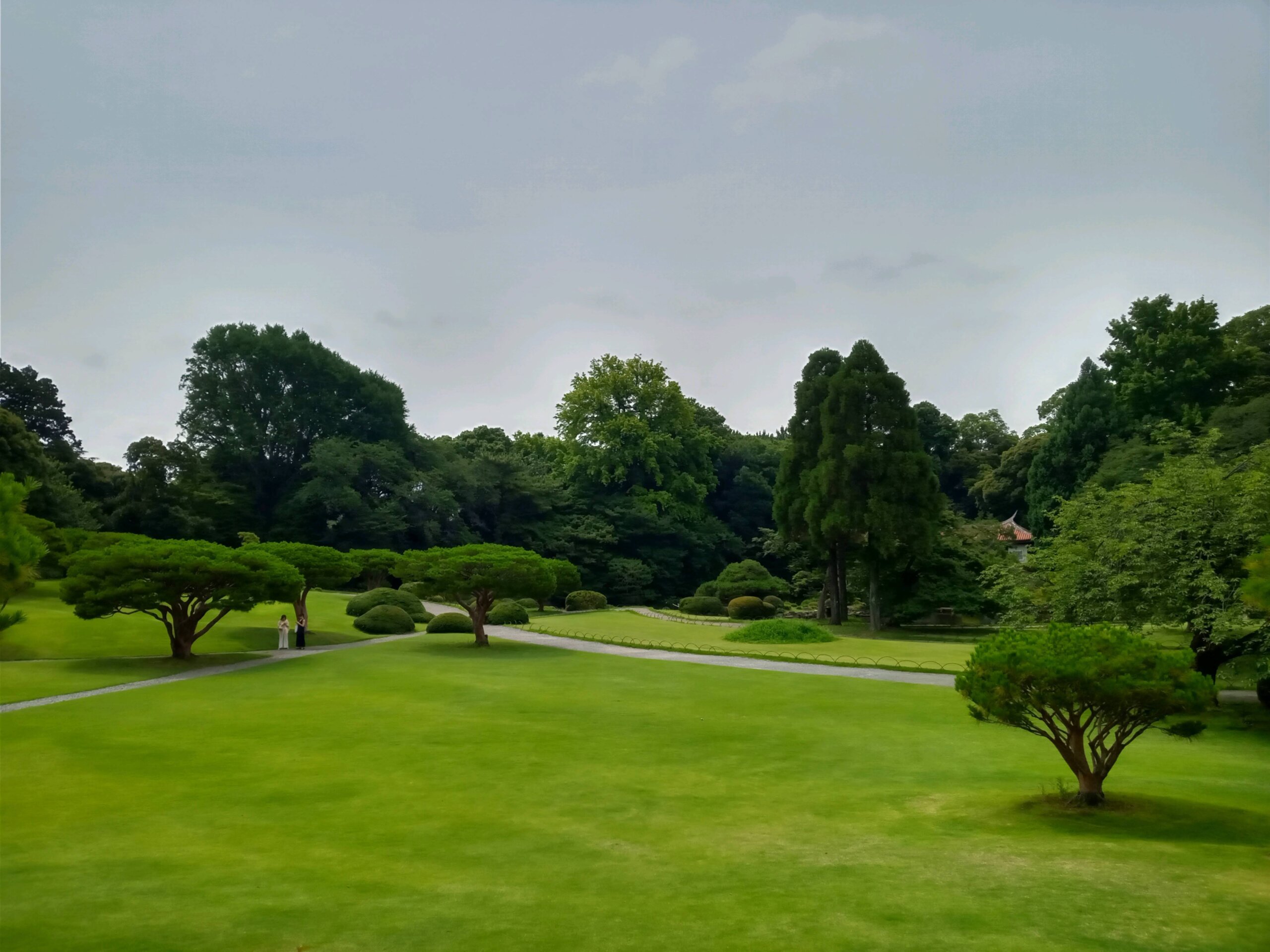
Away from the pond, the garden opens out. The great lawn of the English landscape garden rolls away under wide skies — families picnicking, couples on benches, and long grass-green views that feel improbable this close to Shinjuku’s towers. Sculpted pines stand across the lawns like slow green sculptures, each one pruned for decades into its own shape.
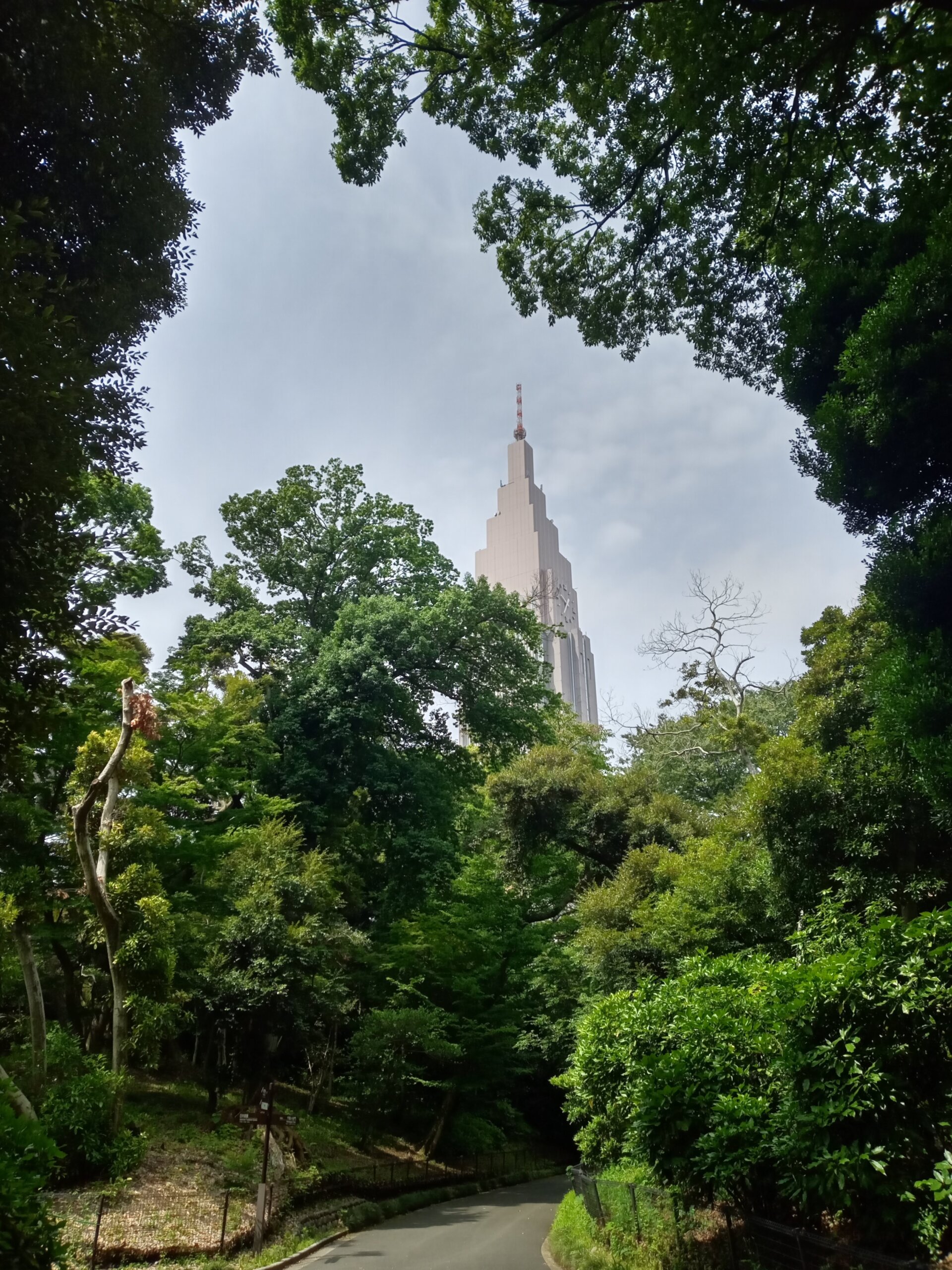
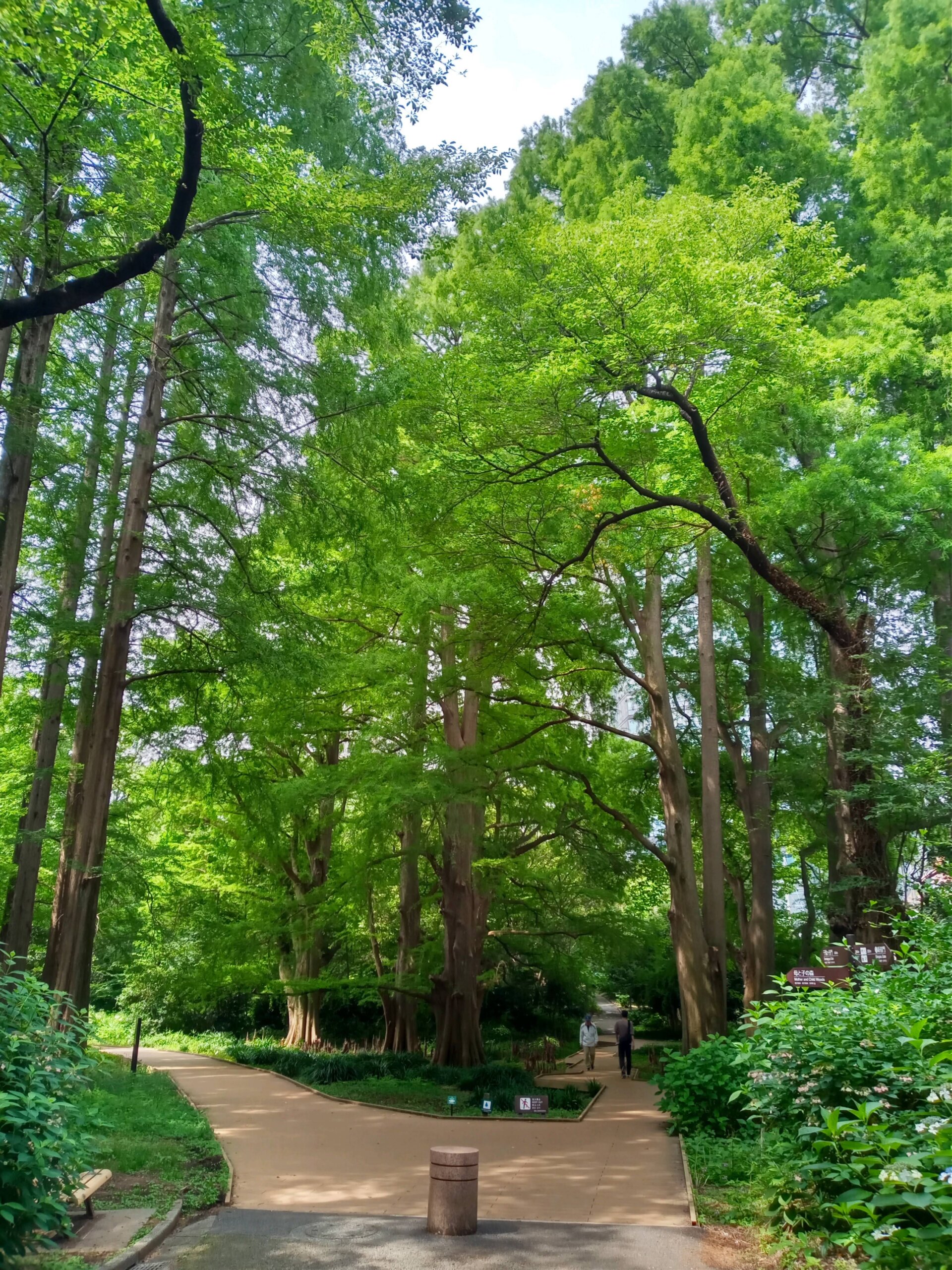
For shade, follow the forest paths. The Mother and Child Forest (Haha to Ko no Mori) is a quieter, wooded corner where the paths narrow and the birdsong gets louder than the city. In June the whole garden is a study in green — maple, oak and cedar layered in a dozen shades — and even on a warm day the tree cover keeps the paths cool.
June in the garden: fresh green and azaleas
June is the garden’s quiet season, and for many Tokyoites its best-kept secret. The cherry crowds of spring are gone, the summer heat has not yet settled, and the garden belongs to the green: fresh leaves at their deepest colour, lawns at their brightest, and azaleas blooming in rounded mounds of pink and white across the grass. On my walk, small birds were picking through the lawns among the azaleas, quite unbothered by visitors.
If you come in other seasons, the garden changes its costume completely — cherry blossom in late March and April, chrysanthemums in November, and maples turning red over the ponds in late autumn. But for calm, June is hard to beat.
Practical information
Shinjuku Gyoen has three gates — Shinjuku Gate, Okido Gate and Sendagaya Gate — and the garden is an easy walk from Shinjuku Station, Shinjuku-sanchome Station or Sendagaya Station. Opening hours are generally 9:00 to 17:30 in the summer season and 9:00 to 16:30 in winter, with last entry 30 minutes before closing; the garden is closed on Mondays (or the following day if Monday is a holiday) and over the New Year period. Admission is ¥500 for adults, with discounts for seniors and students, and free entry for junior high school students and younger. Alcohol is not permitted in the garden. Hours and fees can change, so please check the official site before you go.
Allow at least two hours; a slow half-day is better. Come in the morning for the softest light on the pond — and bring a picnic for the great lawn.
I film quiet places like this across Japan — mountain valleys, samurai towns, gardens and cherry blossoms — on my YouTube channel, ORIBE. The walk in this article is on film, too: the video is embedded above, and you can find more at https://www.youtube.com/@OribeNippon
One last question before you go: every great city seems to keep one green sanctuary at its heart — Central Park in New York, Hyde Park in London. What is the green escape in your city, the place you go when you need the noise to stop? I would love to hear about it in the comments.













コメント