Versión en español: https://wabi-sabi-japan.com/takayama-guia/
This article contains advertising.
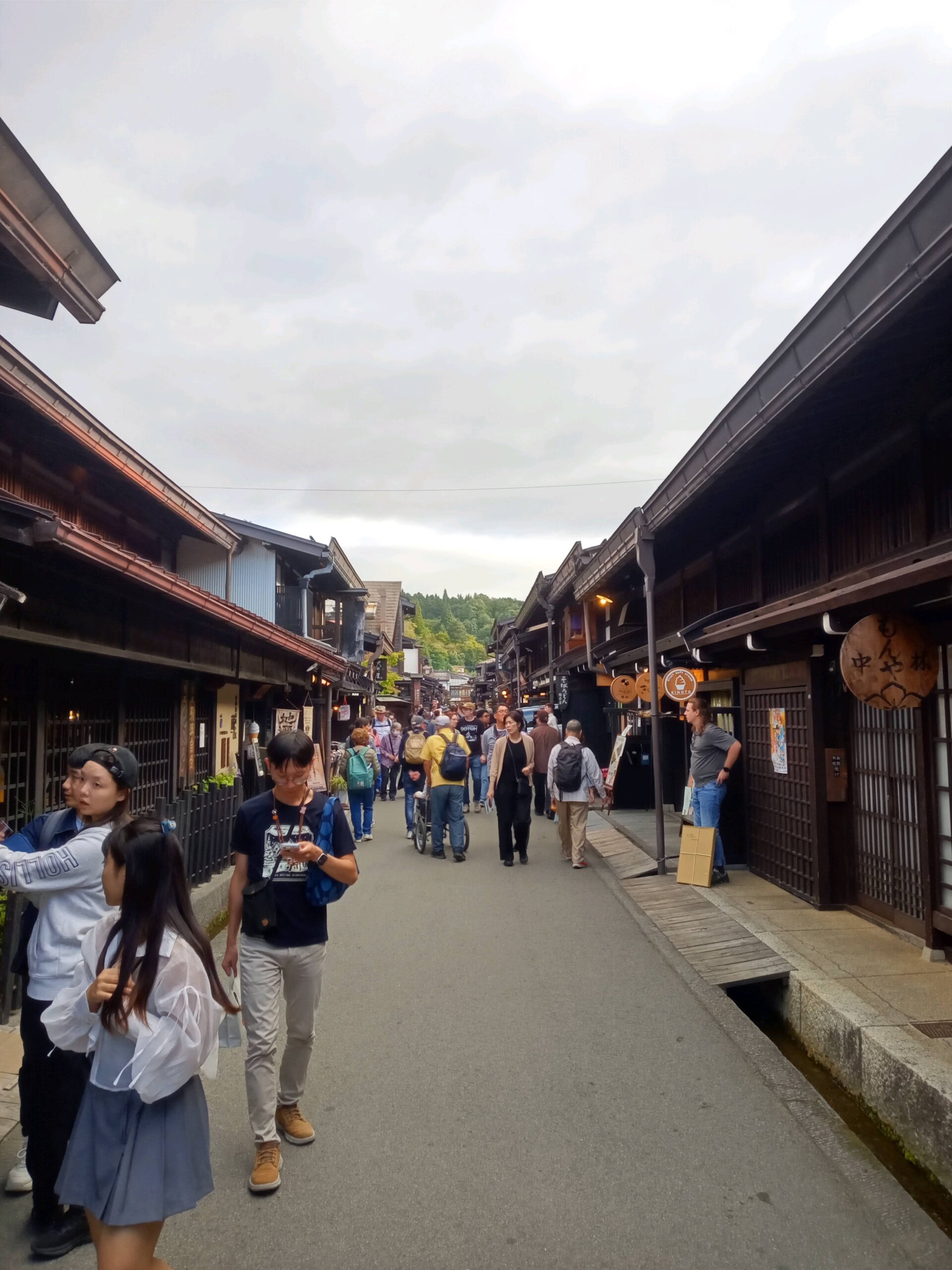
High in the Japanese Alps lies Takayama — a town of dark timber houses, sake breweries and one of Japan’s great festivals. They call it “Little Kyoto”, and in October its old town fills with towering festival floats.
I walked Takayama during the Autumn Festival: the old town of Sanmachi at dawn, eleven floats rolling through streets barely wider than themselves, hand-made soba at a century-old shop, and seared Hida beef eaten on the move. This is a first-hand guide to two festival days in the wooden town of the Hida mountains.
- Staying connected in Japan
- 1. Arriving as the Festival Begins
- 2. Sanmachi — the Old Town of Timber Houses
- 3. Inside a Merchant’s House
- 4. The Autumn Festival — Eleven Floats in Motion
- 5. Details in Gold and Silk
- 6. Sakurayama Hachimangu, the Guardian Shrine
- 7. Festival Food — Soba at Ebisu
- 8. Hida Beef and Street Flavours
- 9. Sake and the Quiet After
Staying connected in Japan

An eSIM is the easiest way to have mobile data from the moment you land in Japan — no pocket Wi-Fi to pick up, and no SIM card to swap. I recommend Yesim, a Japan eSIM with 5G (from US$3.85 a day).
Watch the video version of this walk here:
1. Arriving as the Festival Begins
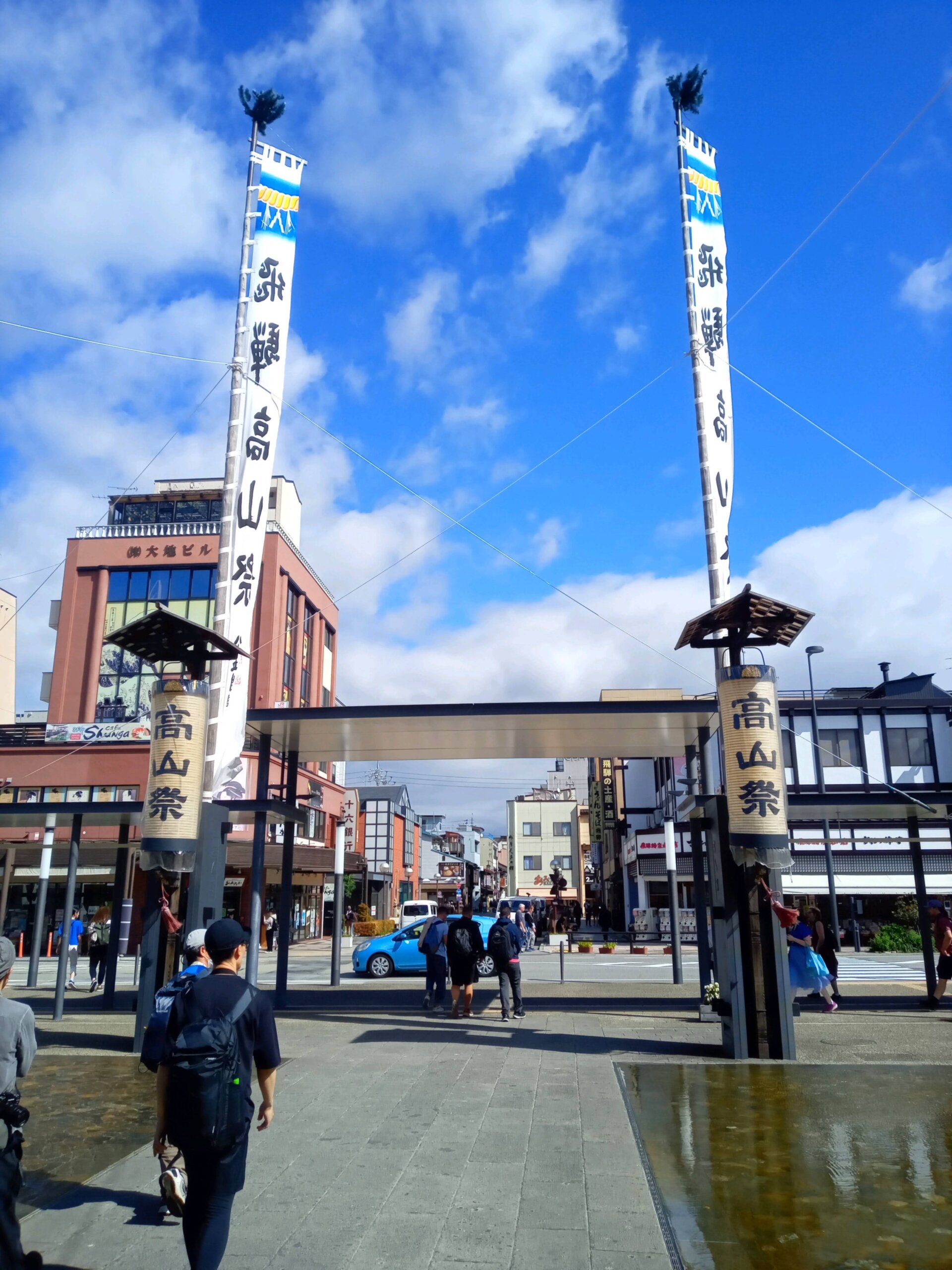
Banners rise at the station gate: the Autumn Takayama Festival has begun. The Takayama Festival comes twice a year — the Sanno Festival in spring, on April 14–15, and the Hachiman Festival in autumn, on October 9–10. This walk follows the autumn festival.
2. Sanmachi — the Old Town of Timber Houses
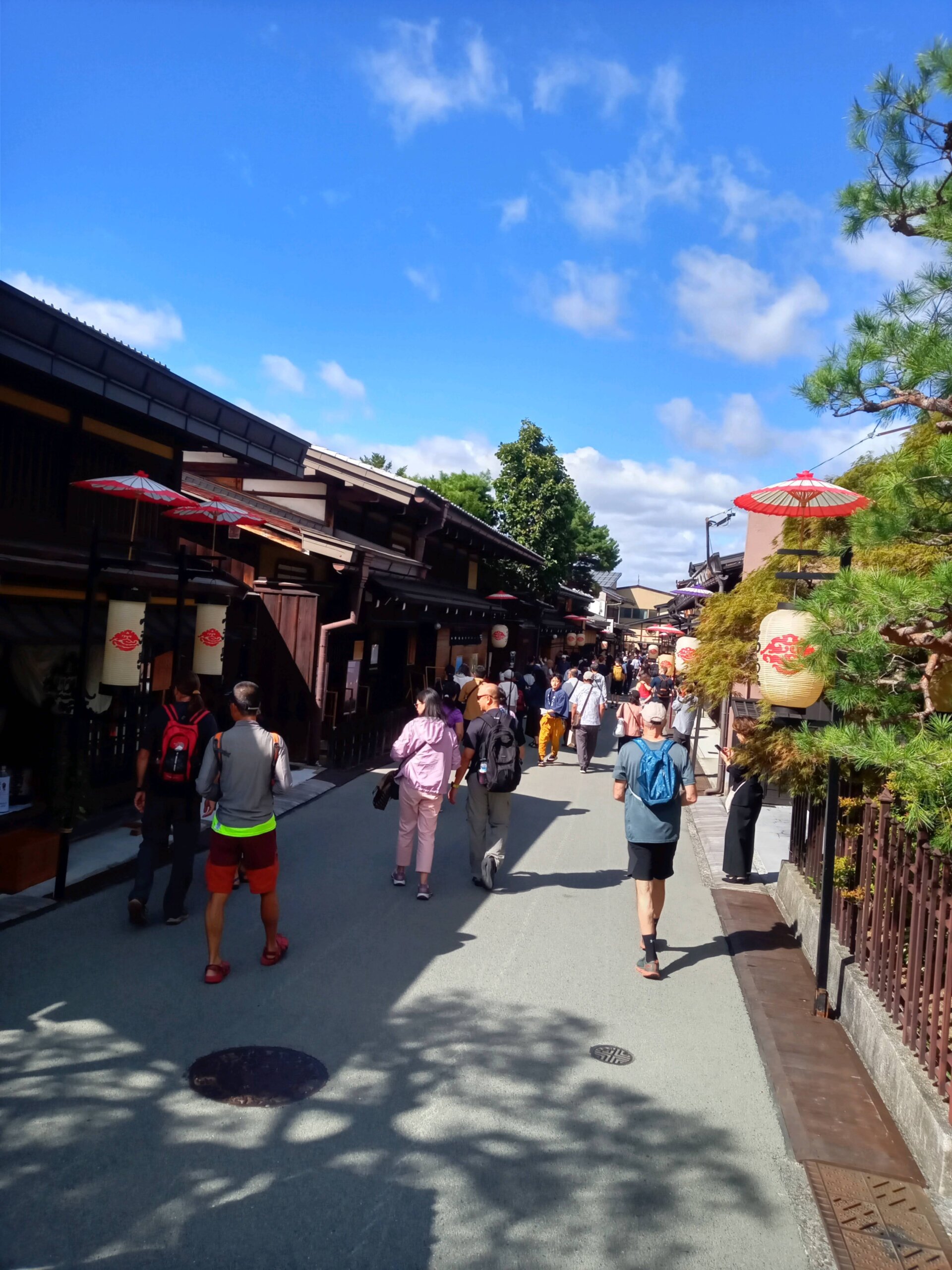
Sanmachi is the old town: three streets of dark Edo-period timber houses, once the homes of merchants who grew rich on timber and sake. At dawn, the famous morning markets open — Miyagawa and Jinya-mae — selling pickles, fruit, flowers and crafts along the river and in front of the old government house.
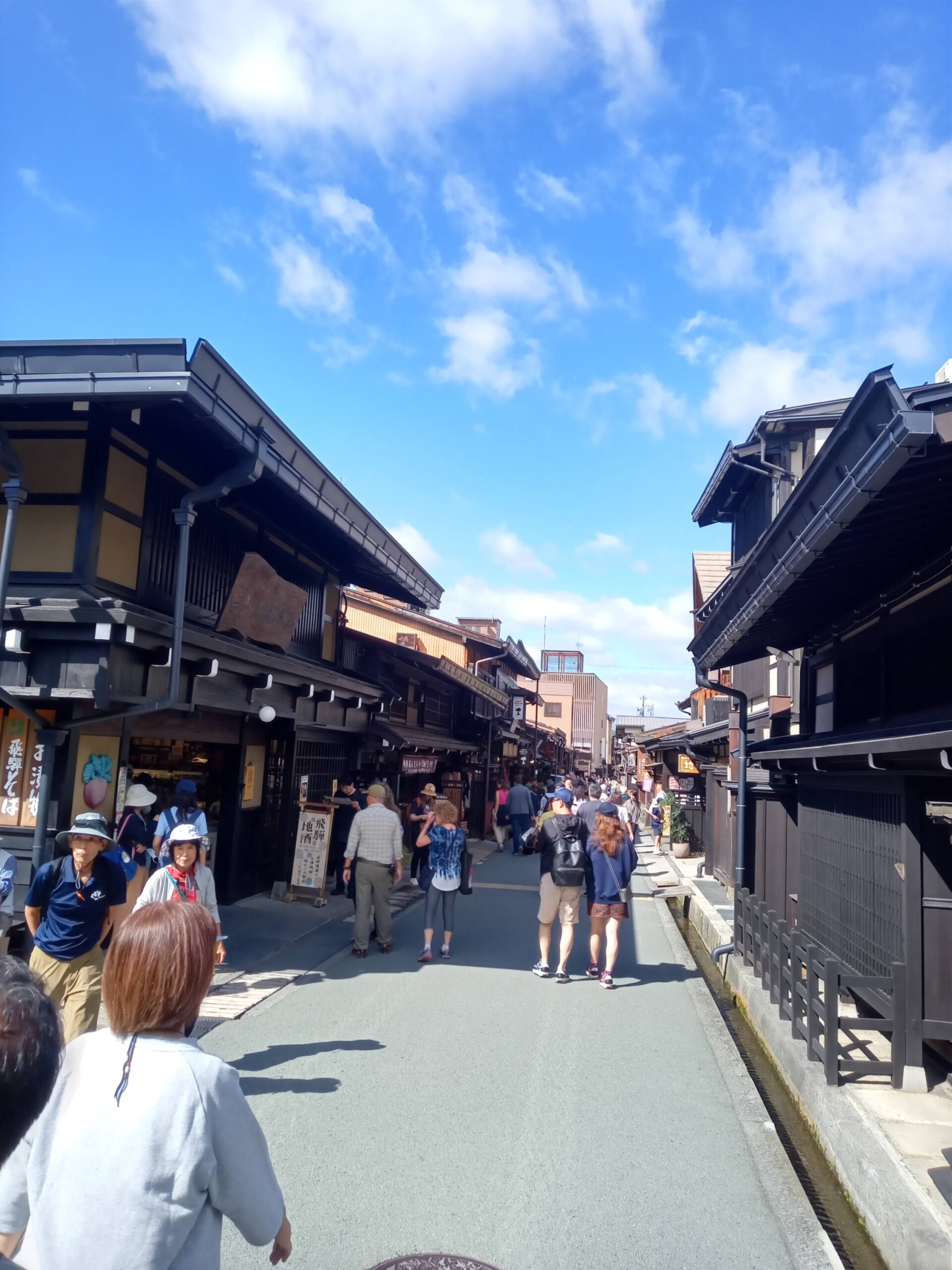
One practical tip: the old town keeps early hours — many shops close by mid-afternoon, some at three. Mornings are the best time to wander.
3. Inside a Merchant’s House
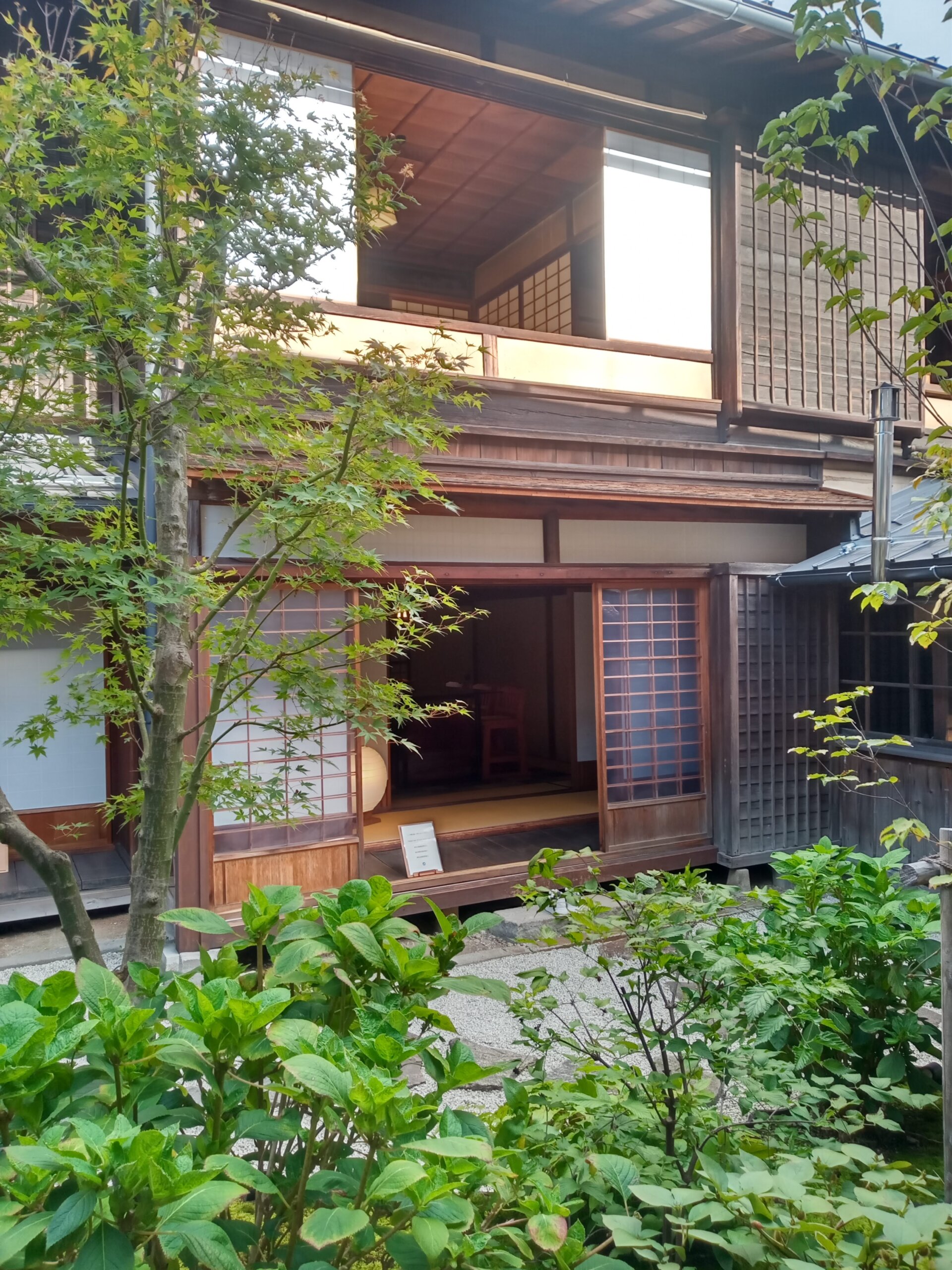
Step inside one of the great merchant houses and the street noise falls away. Tatami rooms open onto a garden of quiet green, and the thick earthen walls that once protected fortunes now protect the silence.
4. The Autumn Festival — Eleven Floats in Motion
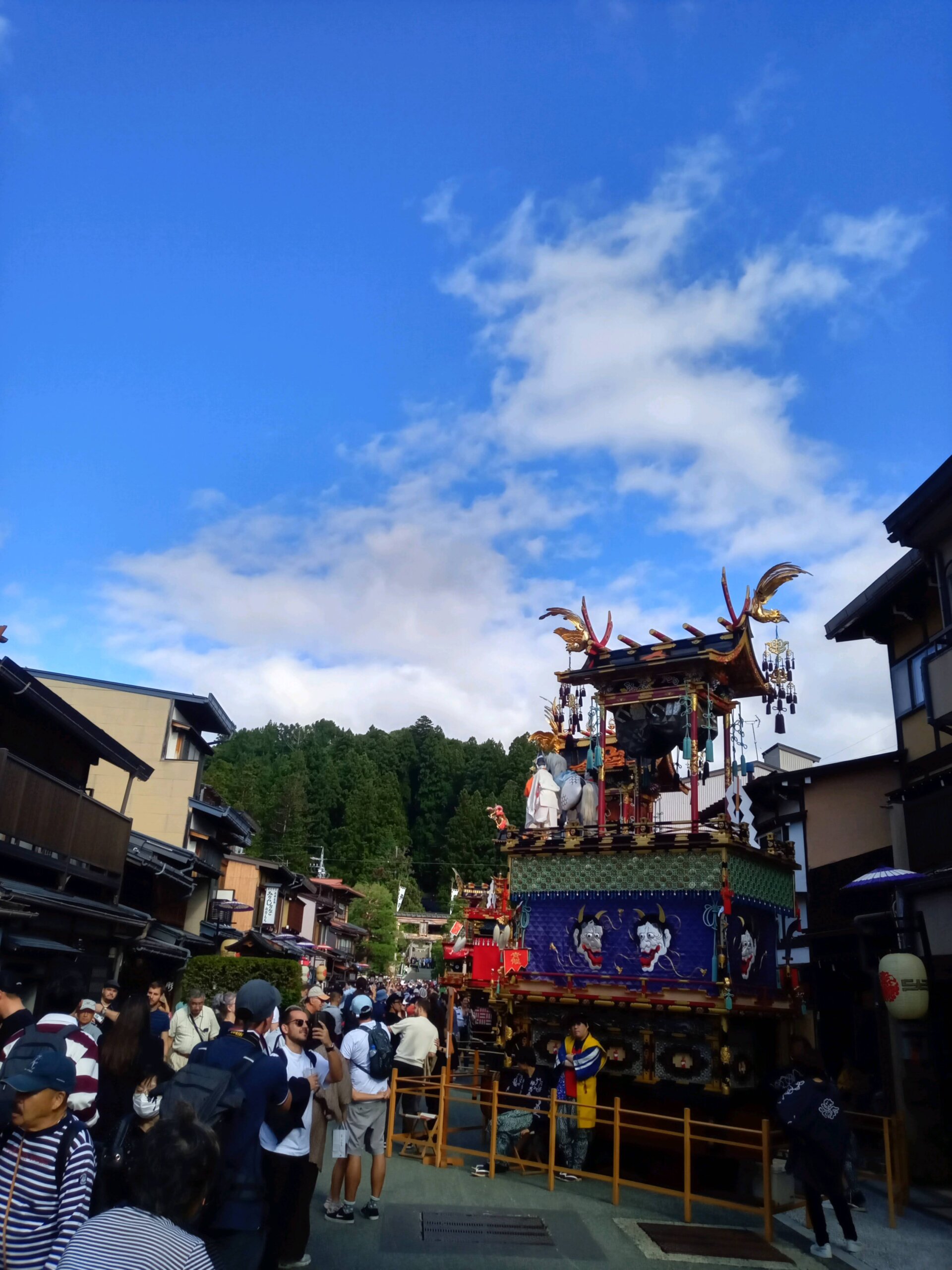
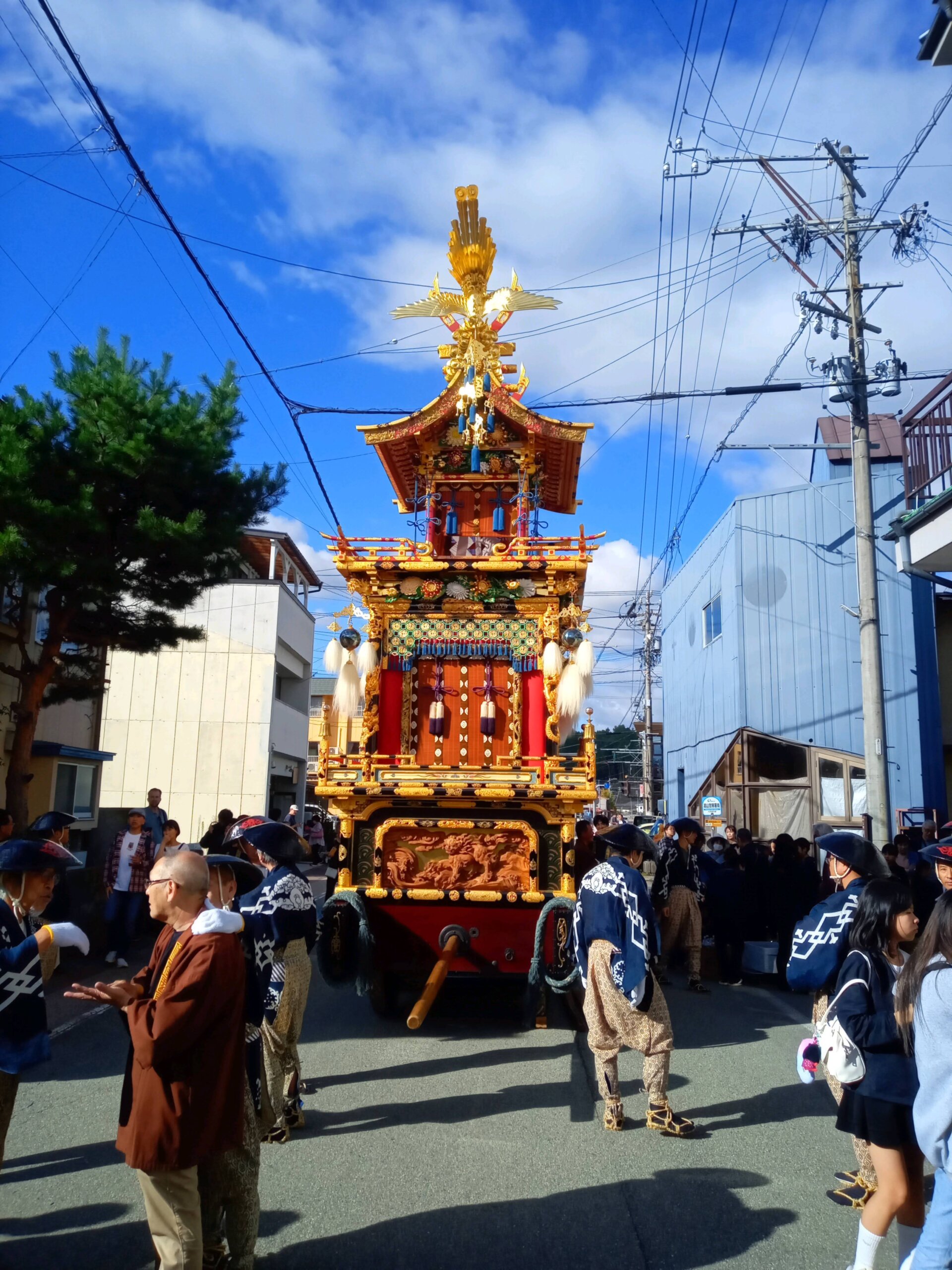
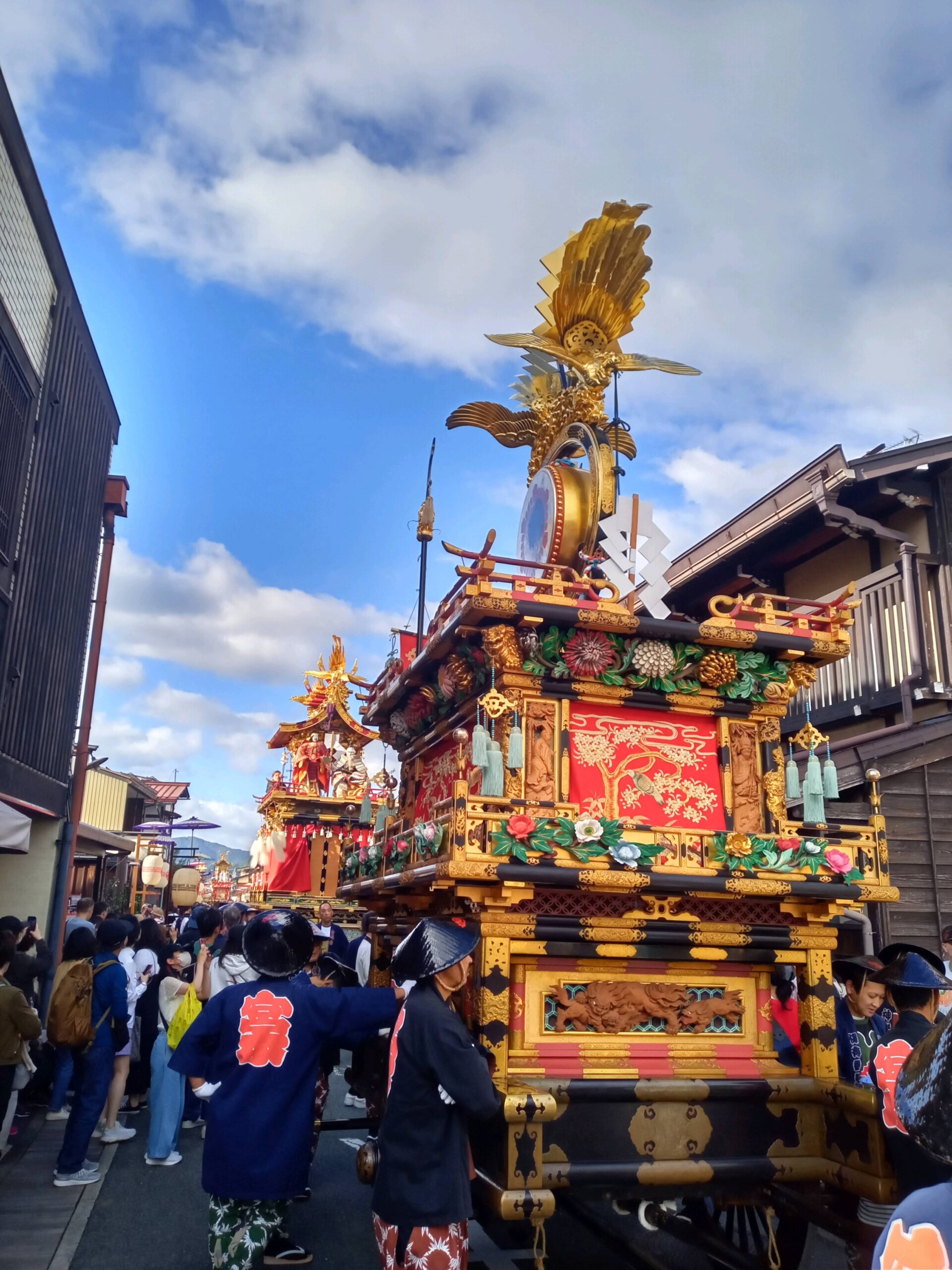
For two days in October, the storehouses open and the town becomes a museum in motion. Eleven floats parade in autumn, each a tower of lacquer, gold leaf and carving, weighing several tonnes on great wooden wheels. Pullers in indigo coats guide them through the narrow streets, every turn negotiated by voice and rope.
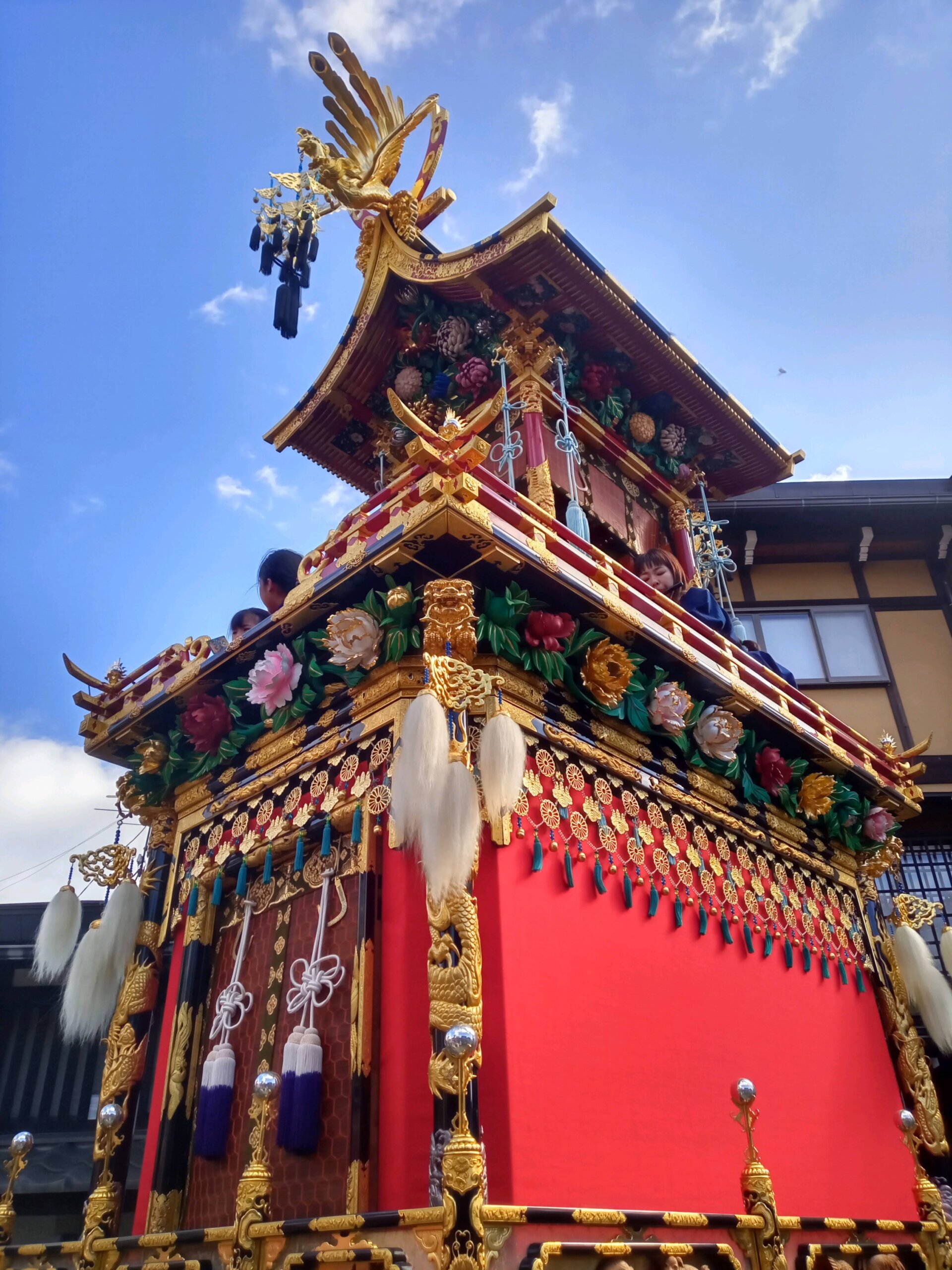
On top of the floats, karakuri dolls — mechanical puppets — dance and somersault, moved by strings and springs alone. No motors, no batteries: a technology of thread and patience, centuries old.
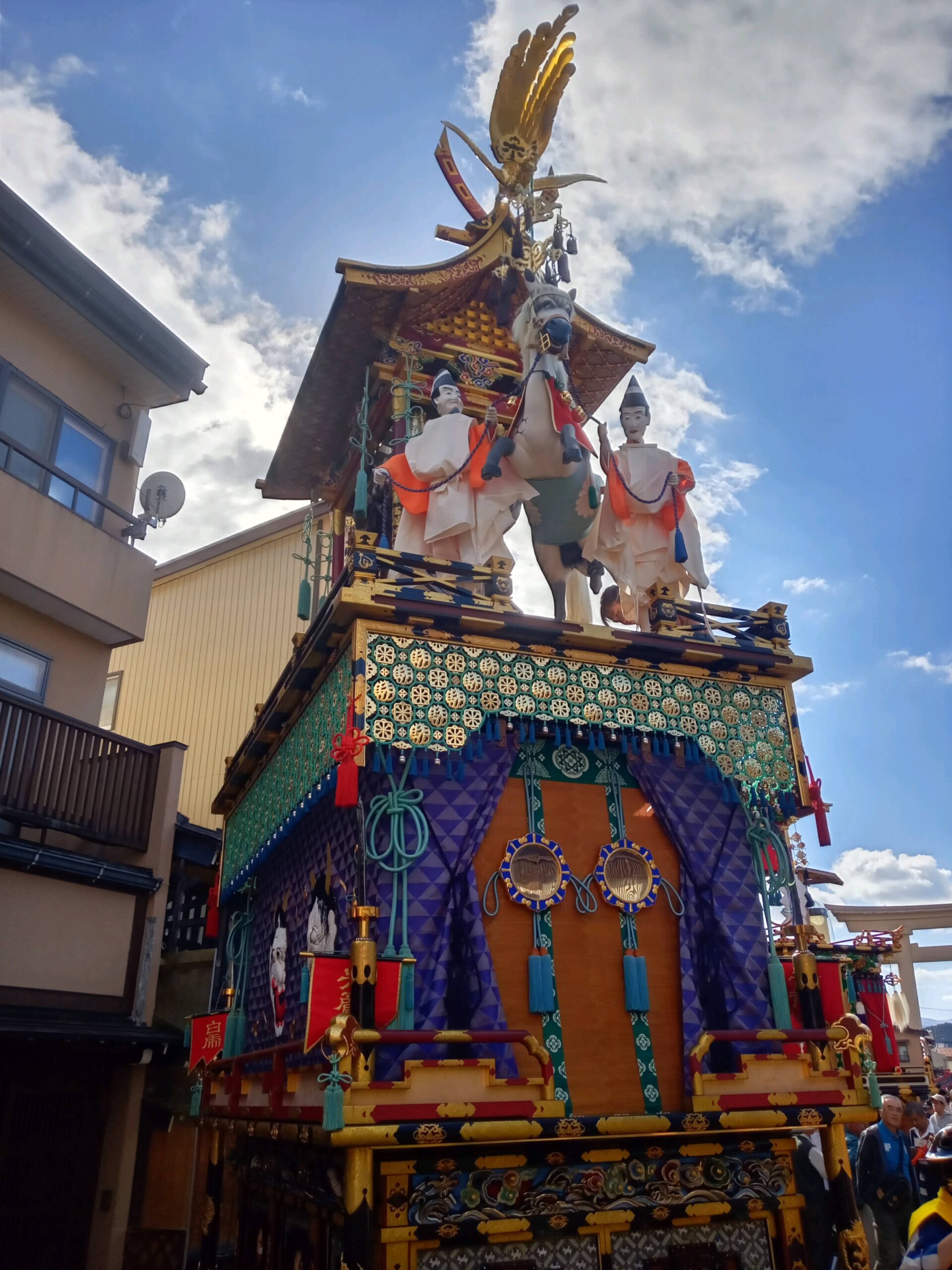
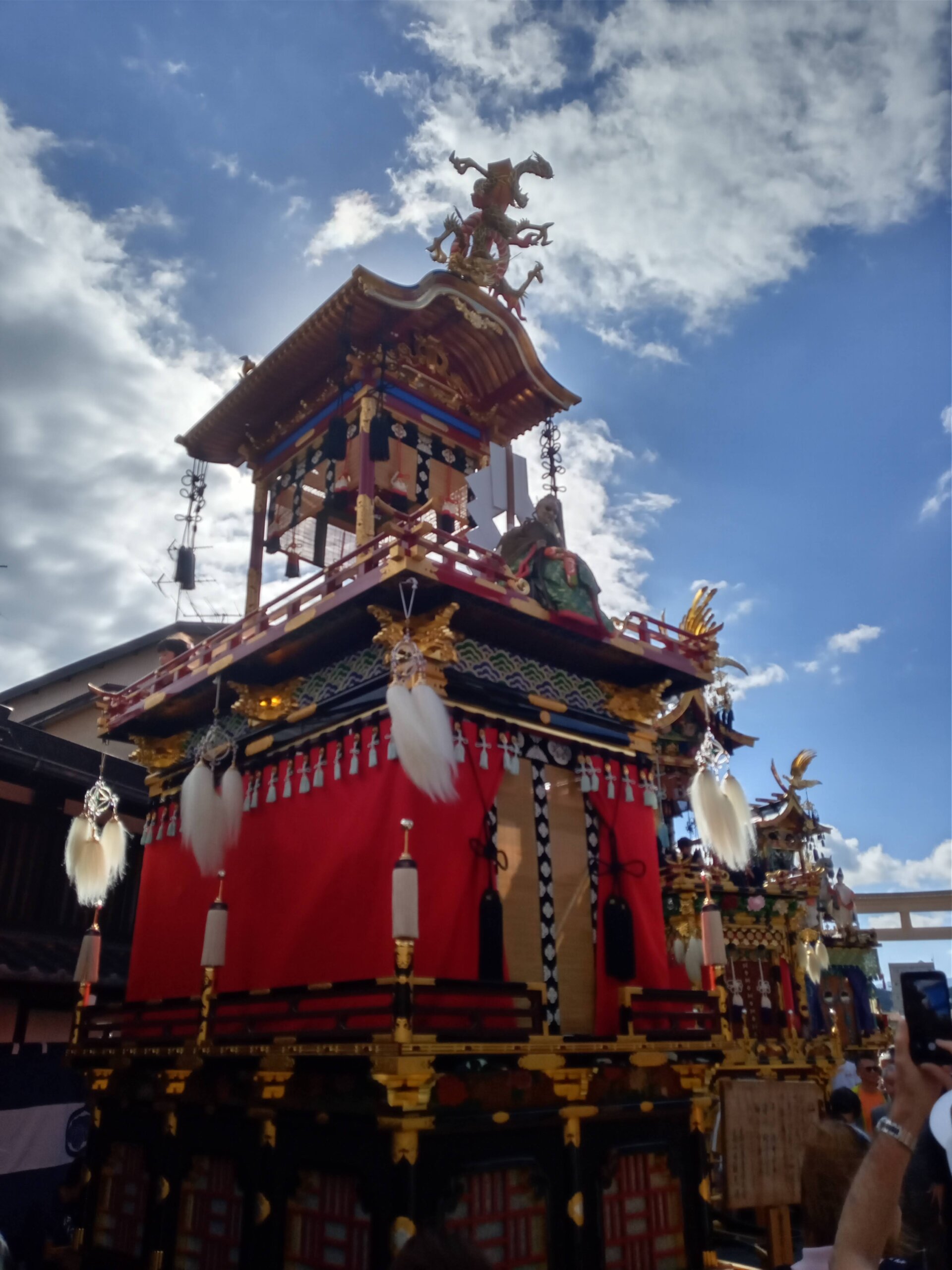
The festival is a UNESCO Intangible Cultural Heritage — a tradition kept not by a company or a city office, but by the whole town, neighbourhood by neighbourhood.
5. Details in Gold and Silk
Look closer and the floats turn into galleries. Gilded carvings catch the autumn sun — the work of Hida’s master craftsmen, famous across Japan since the age of the shoguns. Tapestries of demons and dragons guard the flanks, some woven centuries ago, and a golden phoenix crowns one float, a symbol of peace and good fortune.
6. Sakurayama Hachimangu, the Guardian Shrine
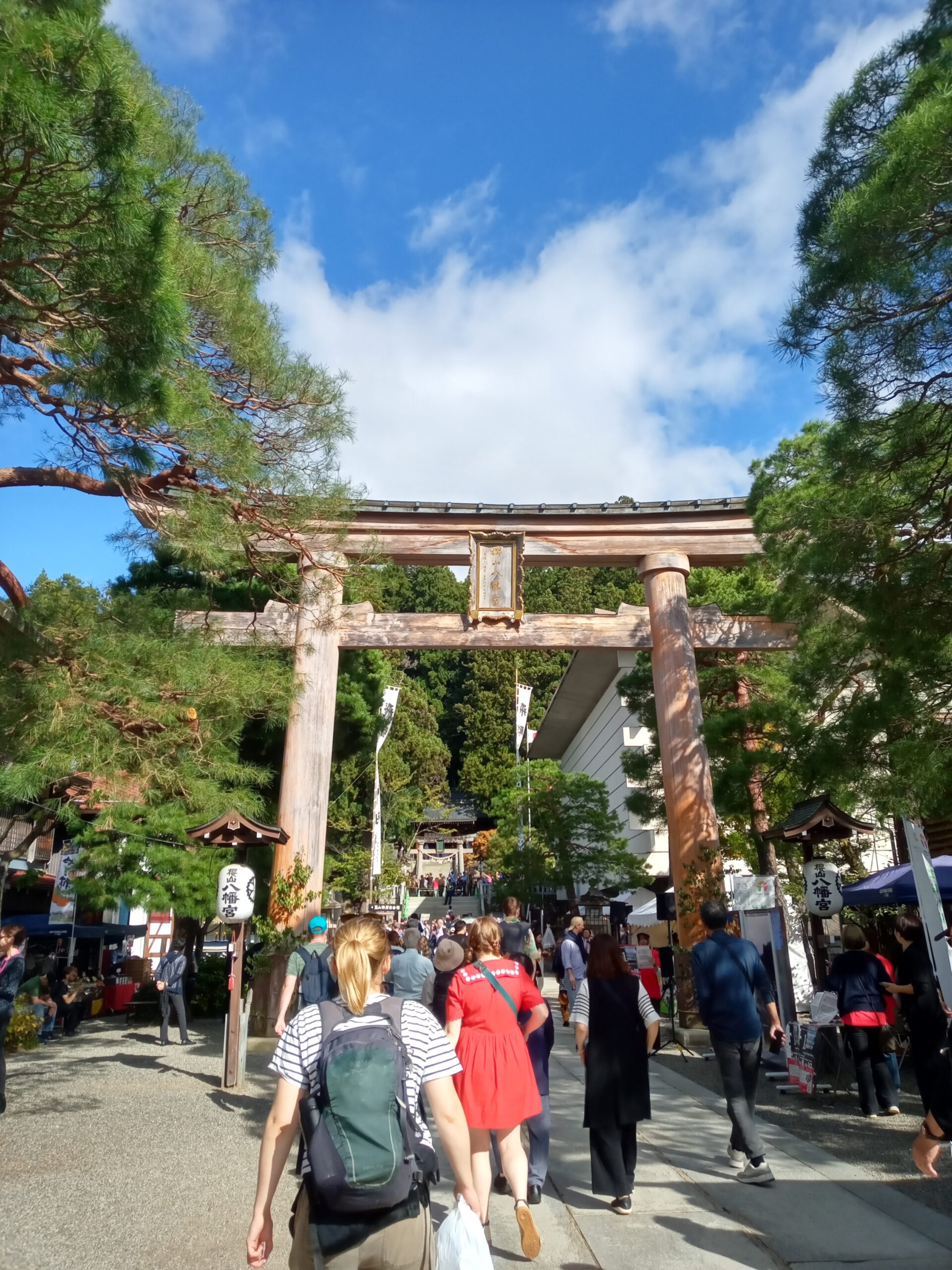
The floats belong to Sakurayama Hachimangu, the town’s guardian shrine, standing in the cedars at the edge of the old town. The festival is its festival — the floats are offerings that learned to move.
7. Festival Food — Soba at Ebisu
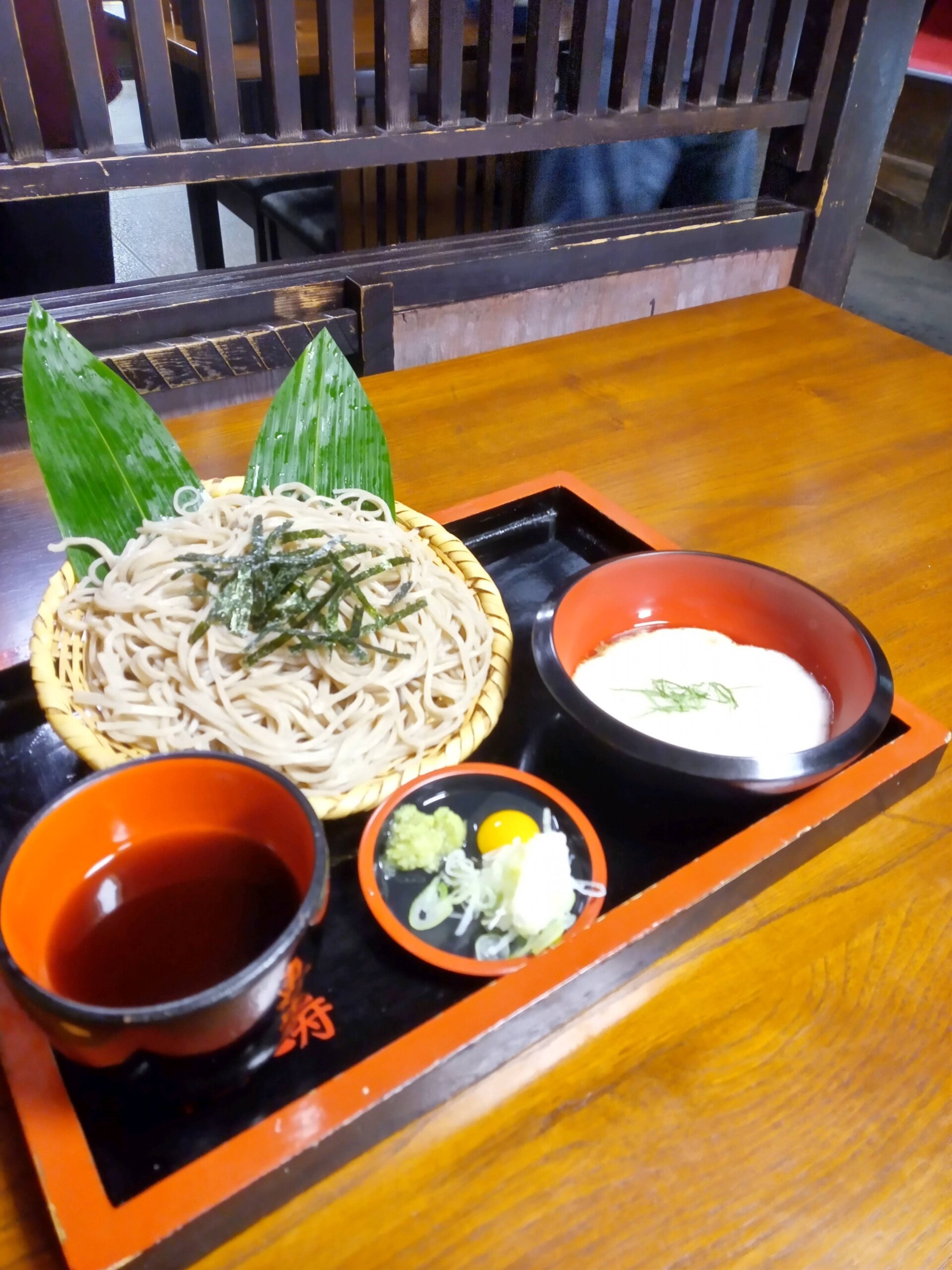
Festival days run on festival food. First, Ebisu — Takayama’s first soba house, serving hand-made noodles since 1898 in an Edo-style dining room. On TripAdvisor it holds 4.6 stars from 175 reviews and ranks No. 16 of 934 restaurants in Takayama.
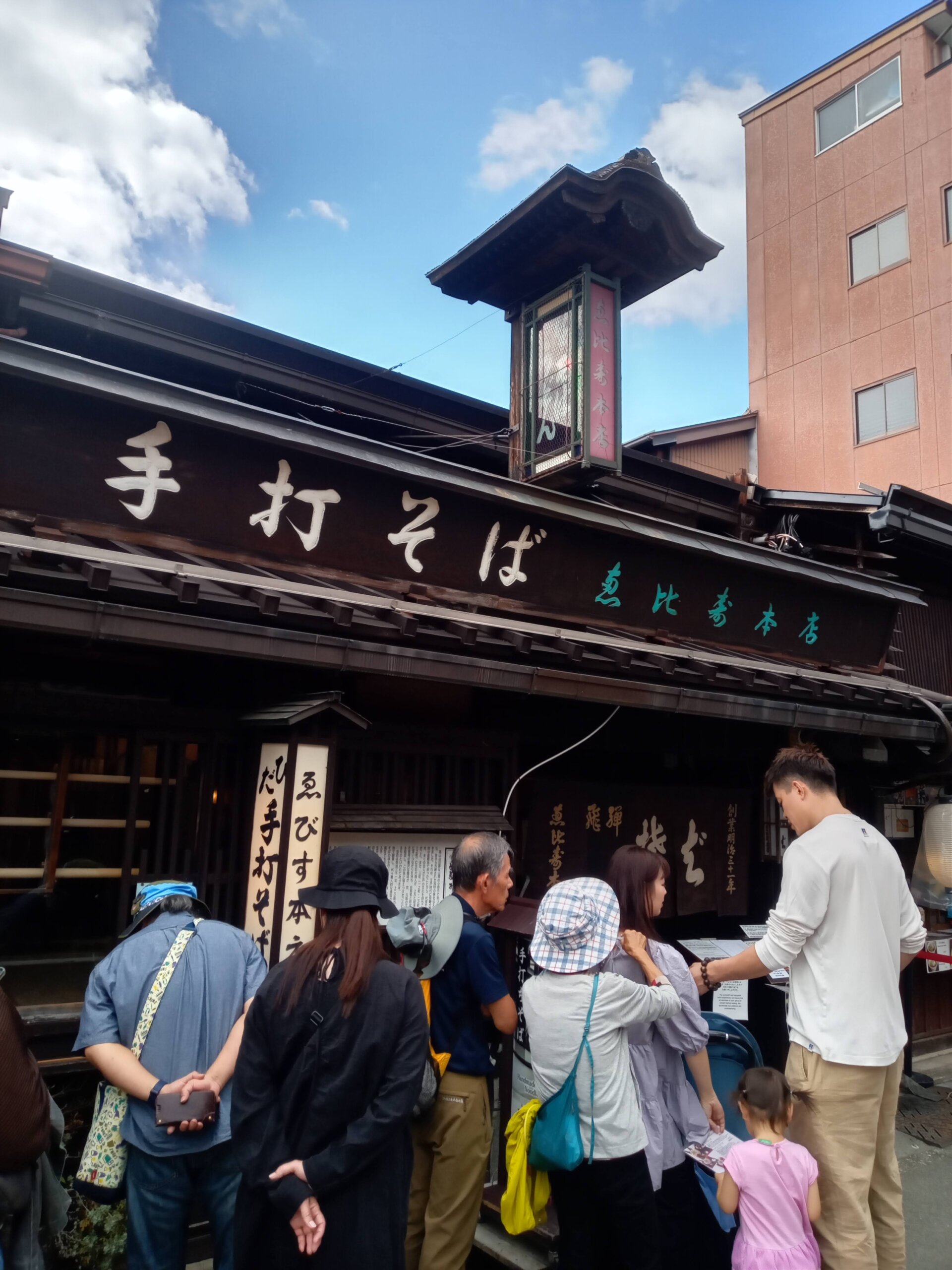
The noodles are cold and firm, with a dipping broth. Its illustrated soba guide and menus come in four languages, and there are vegetarian options — nobody orders blind.
8. Hida Beef and Street Flavours
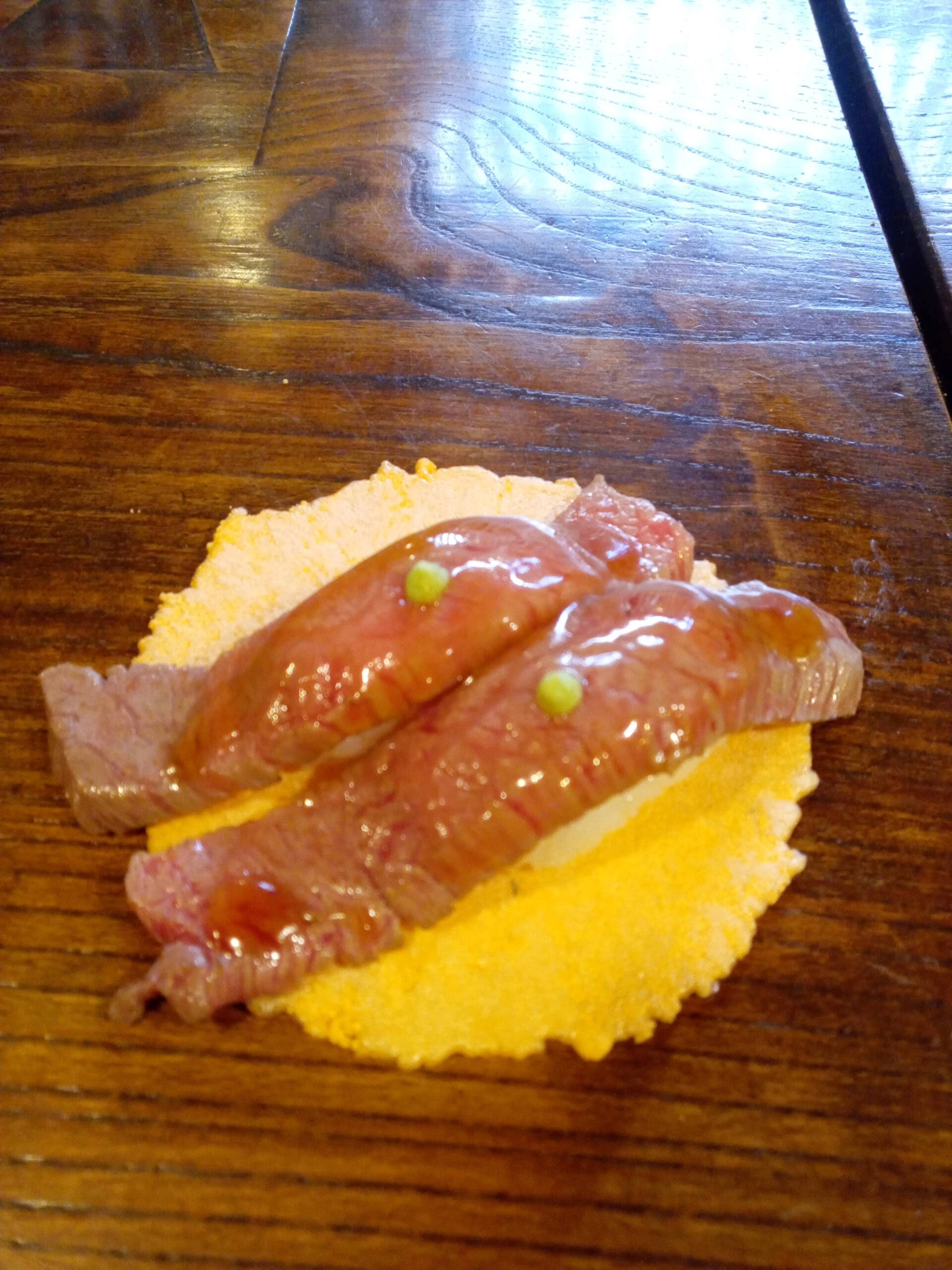
Takayama’s other treasure is Hida beef — among Japan’s most prized wagyu, finely marbled and melting. One shop famously serves it as nigiri sushi: seared beef on rice, served on a shrimp cracker so nothing goes to waste — Takayama in one walking bite.
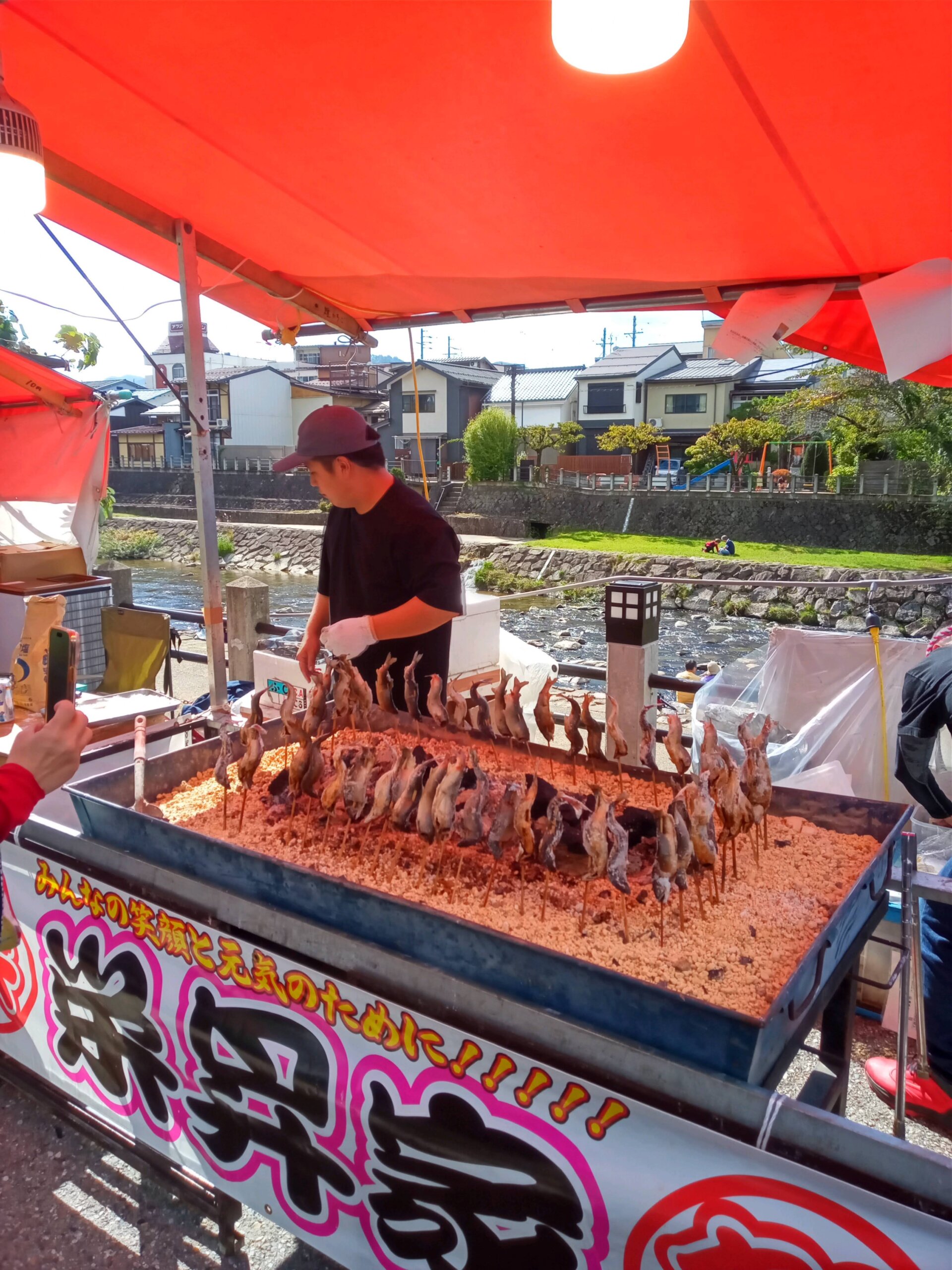
By the river, ayu sweetfish roast on skewers — a taste of the mountain streams — and stalls sizzle on every corner, feeding the festival’s thousands.
9. Sake and the Quiet After
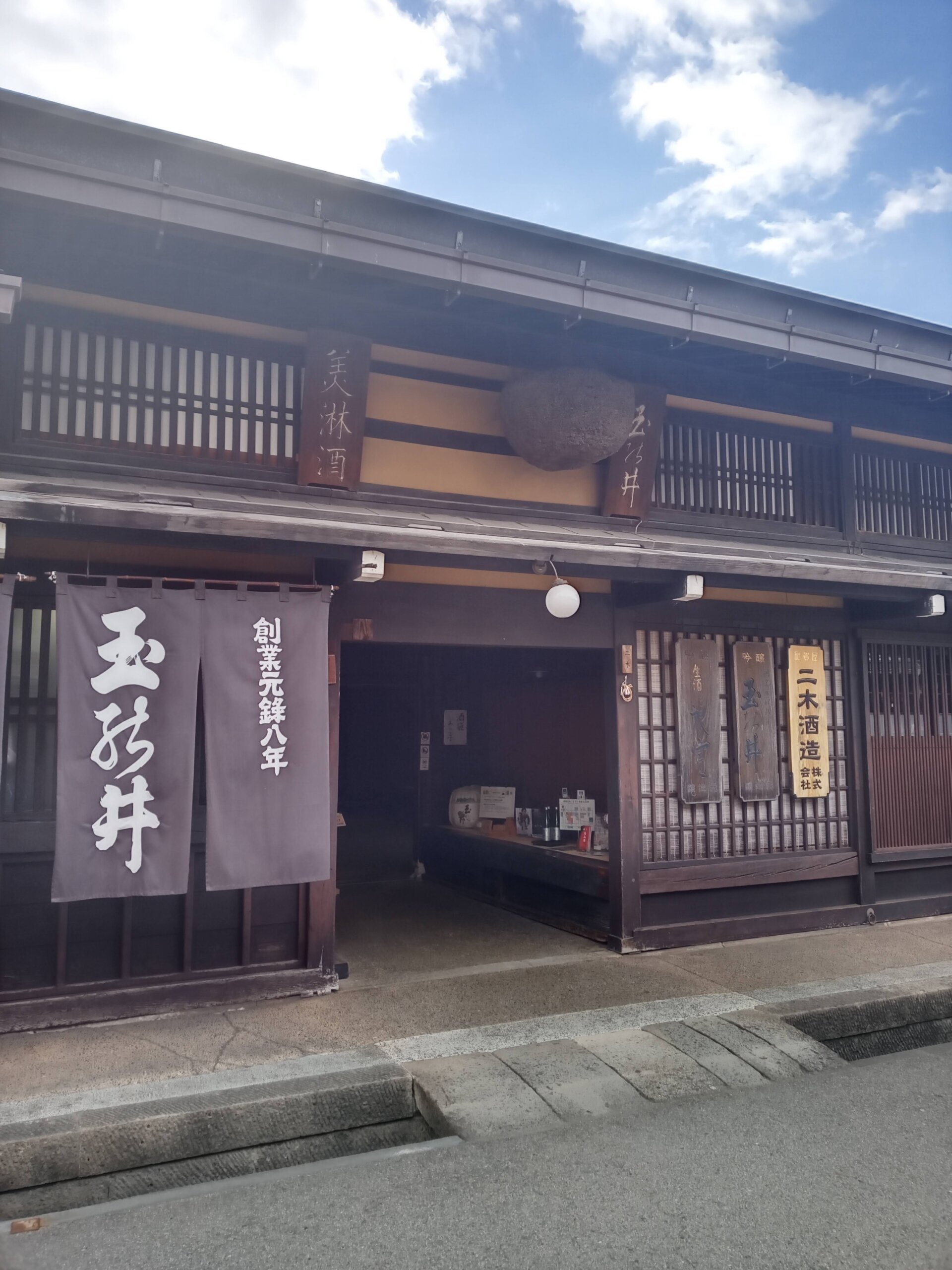
Sake breweries hide behind noren curtains in the old town; Hida’s snowmelt water makes a gentle sake, and the big cedar ball above each door tells you the new brew is ready. As the crowds drift home, the old town returns to its wooden quiet — and the floats sleep again in their storehouses, waiting for spring.
Getting there
- From Nagoya: the JR limited express Wide View Hida runs directly to Takayama Station in about 2 hours 20 minutes
- From Toyama: the same express crosses the mountains in about 1 hour 30 minutes
- Highway buses also link Takayama with Matsumoto, Shinjuku (Tokyo) and Nagoya
- The old town of Sanmachi is a 10-minute walk from Takayama Station
- Festival dates: spring (Sanno) April 14–15, autumn (Hachiman) October 9–10 — the town is beautiful in every season, festival or not













コメント